Book Review: Mumia–Still, Not Stilled

Mumia Writing Wall

Writing on the Wall: Selected Prison Writings of Mumia Abu-Jamal. Edited by Johanna Fernandez. Foreword by Cornel West.
San Francisco: City Lights.
370 pp., $17.95 (paperback).

If the fight earlier this year for the right of imprisoned writer Mumia Abu-Jamal to get correct care for his diabetes had failed, this book, his eighth, would have been possibly the last he would get to approve under his name. The diabetes complication was not just a shock to his system. There is an insane sense of normality that has now developed around the idea of Abu-Jamal’s work—the assumptions that he is writing, and will be writing frequently, that his commentaries will get emailed around the world, that his recorded voice will be on YouTube. Frankly, Abu-Jamal’s rat-a-tat journalistic contribution would be almost taken for granted if he hadn’t almost died. The ubiquitousness of the author and product shows how much he has succeeded in creating a foothold in Black radical thought in the last 20 years.

And that Panther-inspired bootprint continues here. Following in the steps of Noelle Hanrahan’s 2000 Abu-Jamal column collection “All Things Censored,” Fernandez, an assistant professor of history and Black and Puerto Rican Studies at Baruch College/City University of New York, creates a second unofficial “Mumia Reader” of 107 columns and speeches that span from the former Black Panther Party member’s 1981 arrest for the killing of a white Philadelphia police officer to 2014. The editor takes significant time to explain the how, when, what and why of Abu-Jamal’s essays. She shows that the intellectual scope and depth of Abu-Jamal’s writings precede Hanrahan’s mid-1990s recordings—the ones that, along with a 1995 death warrant and a ready-to-go international anti-death penalty movement, jump-started the “Free Mumia” movement and pushed it straight to the international Leftist stage.

The “new” gems discovered here are, ironically, among his oldest. “Christmas In a Cage,” his rarely read 1981 account of his own arrest and treatment by the police (“Where are the witnesses to the [police] beating that left me with a four-inch scar on my forehead? A swollen jaw? Chipped teeth?”) is worth the price of the book alone.

The editor situates the first few columns in a way that explains him, not just his opinions. Upfront, his love for the MOVE Organization and its founder, John Africa, is clearly articulated, using the 1982 trial and conviction statements he made as an understandably angry young man. (“John Africa is not a slave to this foul, messed up system—he is not bought and sold.”) An example of what he told the court after it decided it wanted his death: “On December 9, 1981, the police attempted to execute me in the street; this trial is just a result of their failure to do so.”

And as the wall writing progresses with a combination of memories, obits and news riffs that, policy-wise, string Reagan to Obama, the reader feels the air from the older Abu-Jamal’s steady, intellectual darts thrown at, for example, the post-911 legalization of COINTEL-PRO under George W. Bush, the devastation that followed Katrina, et. al. Abu-Jamal’s commentaries, taken together, target the contradictions of the established order, pointing to its corrupt nature versus the natural power of people-fueled resistance. (“The objective of all politics is power,” he writes in a 2000 column about the police killing of Amadou Diallo, a Black man shot in his building’s vestibule in New York City. “No major political party in America can even begin to promise Black folks in America the power to stand on their own doorstep[s], or ride their own car[s], or walk the streets of the urban center, without the very real threat of being ‘accidently’ blasted into eternity.”) The book, therefore, is a half-lifetime of well-researched, historically radical Black print rage, from waxing nostalgia about his brief political brush with Huey Newton in and the Black Panther Party circa 1970 to predicting in advance the acquittal of George Zimmerman of the 2012 shooting of Trayvon Martin.

It is now assured that, whatever his future health in prison, Abu-Jamal’s body of work will outlast his actual one. The writer, as Cornel West discusses in the preface, belongs in “that cultural continuum of struggle that shaped urban Black people between 1950 and 1980.” It remains to be seen in a 2015 world of social media if the masses of “Black Lives Matter” Tweeters will develop the skill, discipline and commitment of their now- elder statesman Abu-Jamal, who wrote in the margins of the society decades before it became cool.

Is There A Formula For Black Media?

logo_black_media

Someone asked me that recently. It’s a question no one has ever asked me in the almost-25 years I’ve been studying the history and development of Black American mass media (e.g., Black radio, Black newspapers, etc.).

Here was my answer ((c) 2015 by Todd Steven Burroughs, all rights reserved. ;)):

—————————————-

1) Availability. You must be one of the people. They must be able to reach out to you and see that you are living with them, facing the same problems, etc.

2) Integrity. The audience must see/hear/read (that) you stand up for the interests of Black people unapologetically. You must be for Black people first and last.

3) Ubiquitousness and Longevity. The audience must see you as a permanent part of their lives, like a public utility. And you must be consistently THERE for years, if not decades.

—————————————-

That’s really about it!

AUGUST 2015 UPDATE: And THANKS to Ebony for printing a truncated version of this in the display box of its August 2015 issue!

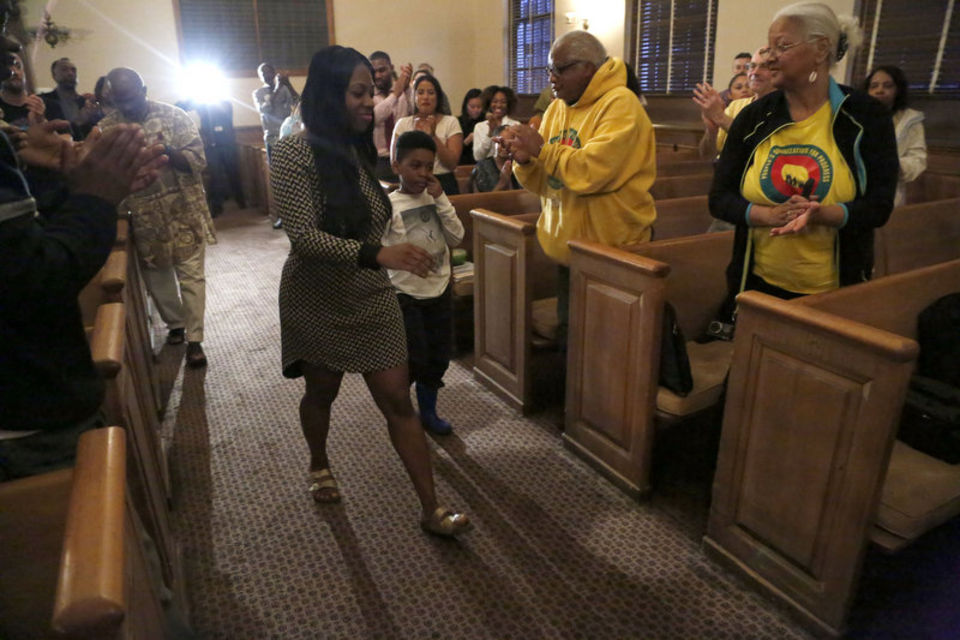
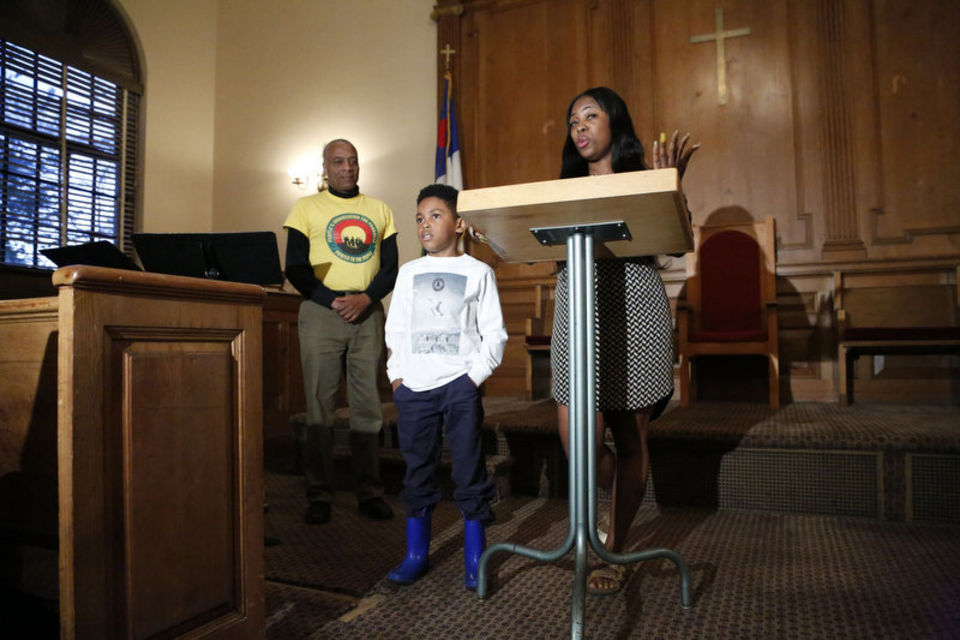
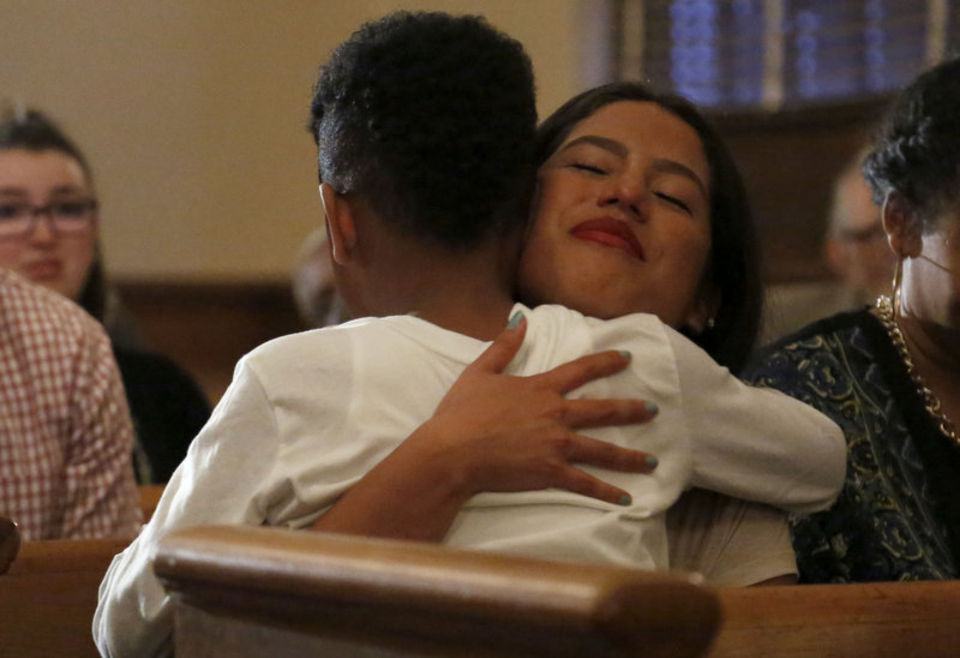
Free Marylin Zuniga!

The above video is from April. The photos and video below are from last night.

Mother

Mother2

Crying2

Zuniga Crying

Zuniga

So long as one just person is silenced, there is no justice.”–Mumia Abu-Jamal

(That’s the issue, right? Boy, irony abounds in Black/Brown life! :))

The next meeting of the Orange Board of Education is Tuesday, my old newspaper said.

I’ve long argued Mumia Abu-Jamal was a political prisoner of the First Amendment, and I understand that what Ms. Zuniga did was not in regulation with Orange Board of Education policy, but this looks like she’s a prisoner of the First Amendment, too!

MAY 15th UPDATE: Sad, but not surprising.

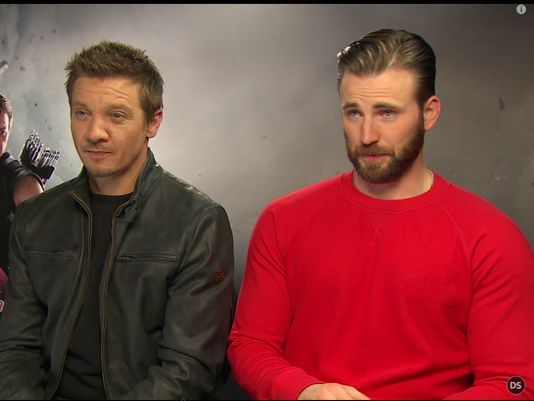
“Avengers: Age of Ultron” Publicity No One Wants

Cap and Hawkeye

Unacceptable!

And this was wild!

I’d rather read stories like this one.

MAY 7TH UPDATE: Ulp! Ummm……Okay, I did raise my eyebrow with that line, but I thought it was just Tony Stark being naughty. Let’s just say I really, really, really won’t care if it gets edited from the DVD/Blue Ray/PPV, etc.

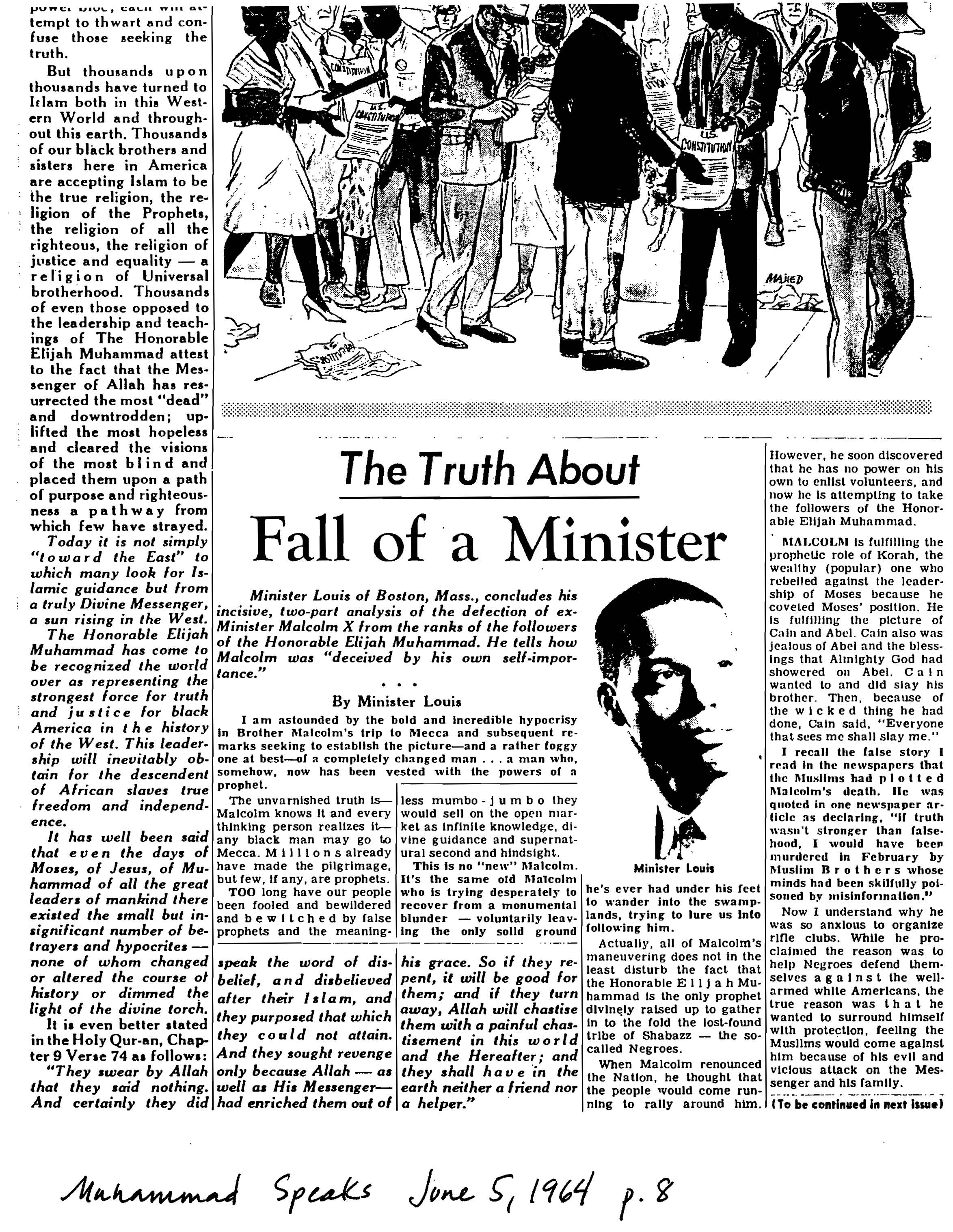
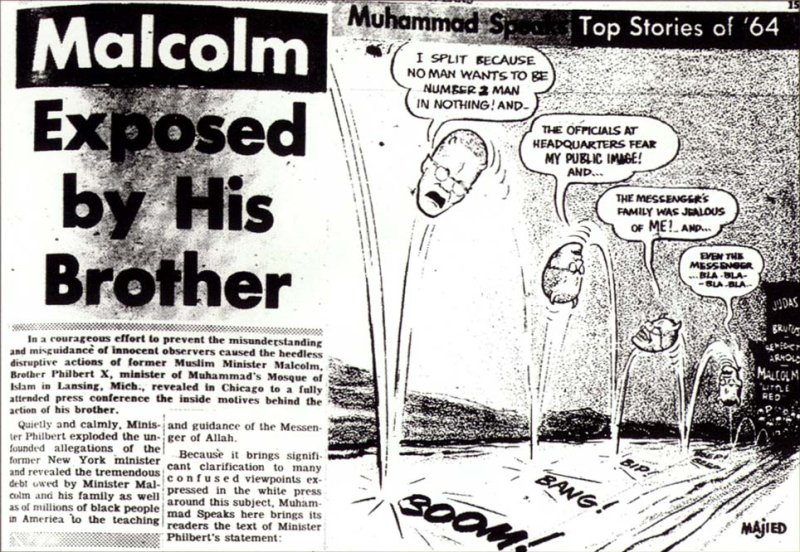
My Root Article On Black Leader/Luminary Hate History……..

Farrakahan

MuhammadSpeaks2

…..is here.

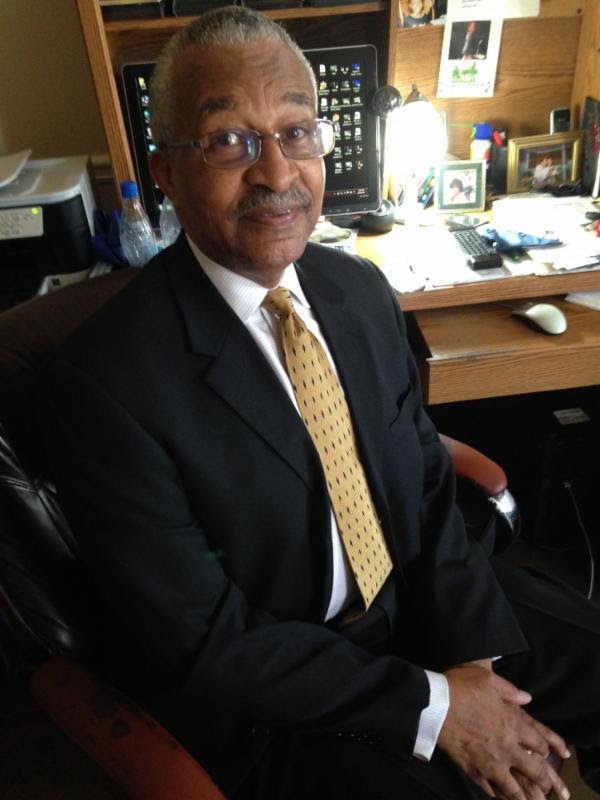
Wishing Well To My Fellow Black Press Columnist, Now Struggling With ALS (Parts 1 and 2)


(PHOTO: Kiah Clingman)

Very sad news. I’m glad he has the strength of his faith and his family around him.
When I began paying attention to Black press (as in, weekly Black newspaper) column writing in the 1990s, his column was everywhere.

Part I of a Two-part Series:
‘First, You Cry’: Black Press Columnist Battles for Life After ‘Devastating’ Diagnosis

Veteran Black press columnist Jim Clingman has been diagnosed with ALS.

By Hazel Trice Edney

(TriceEdneyWire.com) – For the past 22 years, Jim Clingman has published his cutting edge “Blackonomics” column in Black-owned weekly newspapers around the country. The column mainly pushes for economic justice, which he views as a core necessity for Black progress in America.

But as this award-winning columnist, author of four books, college professor, entrepreneurship expert, speaker and businessman continues to fight with his pen, Clingman, a Cincinnati, Ohio native, is suddenly engaged in an unexpected and devastating personal battle. It is a battle for his own life – and quality of life.

Eighteen months ago, doctors diagnosed Jim Clingman with ALS, the gradually debilitating disease that leads to partial or total paralysis of the body and a most often two to five year lifespan after diagnosis. It is the ailment that has become known as “Lou Gehrig’s disease”, named for the professional baseball player that died from it in 1941 at the age of 37.

Many have learned of ALS from the so-called “ice bucket challenge” that has raised more than $100 million to research the mysterious illness. Despite the popularity and positive results of the challenge, it can effectually belie the physical, emotional and mental suffering of those who have been diagnosed with it.

“We should not let the celebrity and the novelty overshadow the seriousness of this disease. It’s a terrible disease,” Clingman says in an interview with the Trice Edney News Wire. “It’s a terminal illness. They just kind of throw up their hands and try to figure out what they can do to help you manage because there’s no cure. People who know, know that it’s devastating. People who don’t know, they may ask what does that mean?”

According to the ALS Association (ALSA.org), here is what it means:

“Amyotrophic lateral sclerosis (ALS) is a progressive neurodegenerative disease that affects nerve cells in the brain and the spinal cord. Motor neurons reach from the brain to the spinal cord and from the spinal cord to the muscles throughout the body. The progressive degeneration of the motor neurons in ALS eventually leads to their death. When the motor neurons die, the ability of the brain to initiate and control muscle movement is lost. With voluntary muscle action progressively affected, patients in the later stages of the disease may become totally paralyzed.”

If that’s too clinical, Jim Clingman, in his vintage, matter-of-fact style of communicating, makes it simple: “It’s like having a stroke one neuron at a time,” he says. “It’s very slow. It’s subtle. But it’s determined. It’s deliberate. It’s a literal assault on your body. And every day you get up you do inventory: ‘Let me see, is this still working okay? Is that still working okay?’ And you know we have billions of neurons, so it’s like a death by a thousand cuts. A slow process, but a deliberate process.”

So far, the creeping symptoms which he first noticed six years ago in 2009 with a weak foot that caused him to stumble when he tried to bowl, have gradually grown into the loss of his ability to walk without help from a walker to sturdy himself. The weakened muscles in his feet and calves have also ended his beloved 35-year bicycling activity. But because the disease is so mysterious, he recalls how just getting to an actual diagnosis was literally a roller coaster.

First, in 2010, he went to a doctor who said he had a spinal stenosis, which means a nerve in someone’s back, protruding through the vertebrae and irritably rubbing on the bone.

The doctor said, “it’s pretty simple to fix” by shaving the bone so the rubbing couldn’t happen, Clingman recounts.

Attempting to avoid the surgery, he went through a few months of therapy first. But, then he noticed that his left calf was becoming smaller than the right and that his left leg had become weaker.

So, in November 2011, he went ahead and got the back surgery, which healed in a few weeks. But, it was his wife, Sylvia, a nurse, who said “it didn’t look like my walk was getting any better…I had back surgery for nothing.”

Then, “I did every test known to man. I went to two neurologists who just threw up their hands and said, ‘I don’t know what this is.'”

Finally, a doctor gave him a battery of tests, “An MRI, cat scans, blood work. He had to rule out everything: Cancer, MS, Parkinson’s disease.”

Then, on Aug. 23, 2013, he received the devastating news. For a healthy man then 69, an avid cyclist who could ride a hundred miles on his bicycle, the diagnosis literally rocked his world.

“I’ve never spent a night in the hospital, never had a broken bone, never been sick other than just a cold. When I was a child, I had measles and chicken pox, that kind of thing. But, I never had anything lingering or wrong with me physically. I’ve always been pretty active, even up to a couple of years ago…So, this was like devastating, you know.”

Now, 18 months since the diagnosis, Clingman is beginning to feel the effects in his upper limbs.

“I can feel a little something in my fingers and arms feeling weaker than normal. As I sit here and write, I sometimes miss the keys, making more mistakes.”

And then there’s the mind-numbing prognosis. Typically, ALS patients live between two and five years after diagnoses, according to the National Institute of Health.

But Jim Clingman – and his family – are anything but typical. Alongside his wife, Sylvia, a neo-natal intensive care nurse, and his daughter, Kiah, a graduating senior at the Howard University School of Communications, this family is standing on their spiritual faith in God while doing all they can in the natural to fight.

“It’s a day to day thing. I have to put it like that. I try to look at the positives like the fact that it started in my foot instead of in my face. It can start in arms, hands, etc. The doctor told me, ‘If there’s anything good about this it’s where it started in you because it started in your foot and has to work its way up.'”

The ALS Association reports that about 30,000 people in the U. S. are currently diagnosed with ALS. About 5,600 people are diagnosed with it each year.

Meanwhile, there is only one drug for ALS that is approved by the U. S. Food and Drug Administration (FDA). It’s called Riluzole. A blue bottle of it sits on Clingman’s desk in a den otherwise surrounded by photos of loved ones, books – lots of books – of course his computer, and his walker nearby.

Riluzole “slows progression of ALS but does not cure it,” according to NIH. The agency also reports studies that conclude that Riluzole only prolongs life for a range of months.

“It keeps your diaphragm from collapsing, which would prevent breathing,” Clingman explains. But, other, even better medications are being studied.

The New York Times reported in February this year that a new ALS medication called GM6 – still in experimental stages – has now shown to “dramatically slow down the progression” of ALS. The article reports that after using the drug, at least one man “showed small improvements in speech and swallowing, and certain proteins used to signal disease progression actually moved back toward the normal range.”

But, the article, written by Angelina Fanous, a 29-year-old who has been diagnosed with ALS, comes to a similar conclusion that Clingman expressed in the interview.

Fanous writes, “Unfortunately, given the length of time it takes to win approval for a new drug, it will be about 12 years, $4 billion and many more deaths before GM6 makes it into my medicine cabinet. I will be in a wheelchair, using a feeding tube, or dead by then.”

Genervon, the maker of GM6, which it calls GM604, posted a press release on its website March 21 saying it met with the FDA in February and “we have filed a formal request for the Accelerated Approval (AA) Program and are now waiting for a final decision.”

Meanwhile Genervon stresses, “In the U.S., it is illegal to access GM604 without FDA approval or outside a clinical trial.”

An online petition, already signed by a half million people at Change.org, offers some hope to influence the FDA to accelerate approval. Here’s the URL: https://www.change.org/p/lisa-murkowski-fda-accelerated-approval-of-genervon-s-gm604-for-use-in-als

The petition appeals to U. S. Senator Lamar Alexander (R-Tenn.) who chairs the Senate Committee on Health, Education, Labor and Pensions; Sen. Patty Murray, the ranking Democrat on the committee; as well as Janet Woodcock, the doctor who is director of the FDA’s Center for Drug Evaluation & Research. About 18 other people, including senators and FDA administrators are also listed.

ALS notwithstanding, Jim Clingman is up for this fight. He is well aware of the petition and hopeful that millions will sign it and that the powers that be will listen.

“The FDA and the bureaucrats won’t allow it to be used…The petition asks them to accelerate the process.”

But, as he waits, he and his family are leaning on their faith, which right now, is everything.

“If I didn’t have that Hazel, I’d be a wreck. I know it. Doctors give death sentences, but God gives life sentences – eternal life.”

He recalls his initial response after receiving the diagnosis, captured in his now daily journal writings. In a nutshell, he says, “First You Cry.”

Next Week, Part II of ‘First You Cry’: Jim Clingman – His Family, Their Faith and Their Fight

Part II – ‘First You Cry’: 
Jim Clingman, His Family, Their Faith and Their Fight
By Hazel Trice Edney

Jim and Sylvia Clingman
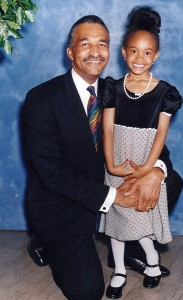
Jim and Kiah Clingman, now a graduating senior at Howard University.
(TriceEdneyWire.com) – It was the perfect plan. After living in his native Cincinnati, Ohio for all of their 22 years of marriage, Sylvia and Jim Clingman were preparing to move to another state and start a new life.
Mrs. Clingman, a neonatal intensive care nurse manager, had accepted a new job at the Greenville Memorial Hospital in Greenville, S.C., one of the nation’s best cities for retirees, according to AARP. In the comfort of their new home in a beautiful quiet subdivision, Jim would continue writing his national “Blackonomics” column for weekly Black newspapers and serve as a consultant to his clients while also enjoying bicycling, one of his favorite pass times, along the rolling hills of Greenville.
Kiah, their only child, was independent and away at college most of the time. The popular student leader and graduating senior at Howard University was focused on her career in advertising and marketing.
“My goal was that we would enjoy a place where I’d anticipated, number one, starting a new life,” recalls Mrs. Clingman. “A warmer place, where I would take up some cycling with him, where we would start our cycling together. Where we would grow old and start our downhill retirement at least enjoy being here together.”
Having met Jim, who is 19 years older, more than two decades ago at a reception in her native city of Chicago, Sylvia was smitten by this distinguished gentleman. Even now, she seems to blush when she speaks of how debonair he is in a suit. “Jim is the only man to me who looks just fabulous and handsome in a suit. No one can wear a suit like Jim.”
Though they only spoke a few minutes at that event where they met, he was obviously equally impressed. A few weeks later, he called her at the hospital where she worked and the rest is history. They married on Dec. 15, 1991, and were now preparing to start a new season in their lives.
But, that dream took a sudden and traumatic turn 18 months ago when Jim Clingman was diagnosed with ALS, so-called “Lou Gehrig’s disease”. It is the neurological illness in which the normal prognosis is that the patient gradually becomes paralyzed and then dies within two to five years, although some have lived much longer and some patients have even seen their symptoms stop, according to the ALS Association.

While Mrs. Clingman had moved ahead to start the new job as her husband prepared to join her, his weakened left foot and calf continued to grow worse despite surgery and batteries of tests. Finally, there came the devastating diagnosis August 23, 2013.
“We put her on speaker phone,” he recalls. “She just lost it. I immediately got in the car and drove down there and just spent a couple of days so we could both be together and just accept it.”
“Accept it?” How does one “accept” a prognosis like that of ALS? According to Jim Clingman, “First you cry.” But, then what?
Contemplating the question, he speaks slowly, thoughtfully, a man who has never even spent a night in a hospital, now trying to wrap his mind around what has become the spiritual test of his lifetime. Miraculously, he has found blessings, even in the midst of this tragedy.
“It’s a day to day thing. I have to put it like that,” he explains. “I try to look at the positives like the fact that it started in my foot instead of in my face. It can start in arms, hands, etc. The doctor told me that, ‘If there’s anything good about this it’s where it started in you because it started in your foot and has to work its way up.'”
Jim’s faith in God’s will for his life has been his rock. “If I didn’t have that Hazel, I’d be a wreck. I know it…If it weren’t for that, I’d be a basket case.”

It also helps that he is not physically alone in this journey. In addition to Sylvia, Kiah and extended family members, the popular columnist, speaker and author of four books has scores of friends and thousands of fans. They include His lifelong pastor and his new pastor in Greenville. Both marvel at how Jim Clingman is handling this.

“I remember when Jim decided to give his life to God. It was on a Mother’s Day,” recalls Richard A. Rose, Sr., then pastor of Gray Road Church of Christ in Cincinnati. “He came down that aisle at church and never looked back,”  Rose recalls that moment 17 years ago. “He became a teacher, he even delivered sermons in my absence. Wherever he was needed, he was ready. There was no job too big or too small. So, he’s the leader in that family when it comes down to the faith. His faith will help Sylvia and help Kiah.”
While leaning on God for his future, the blessing is also in the life that he has lived and continues to live, says Rev. Rose. “Everybody in Cincinnati knew who Jim Clingman was. He did so much for so many people. And, so when the doctor’s first told him that he had ALS, it kind of set him back a little bit…But, God is greater than any doctor, than any degrees, and if it is not his will to deliver you from it, he will give you the strength to take you through it.”
Now attending Grace View Church of Christ in Anderson, S.C., Clingman has remained steadfast in service.
“He’s not wavered in his faith at all,” says Grace View pastor, Bryan Jones. Clingman even preached at his church earlier this year.
Seated in the pulpit, he encouraged the congregation with the message titled, “Tickets Please”. From Hebrews 9:10, it was about “how Christ died once for all. Everybody has a free ticket,” Clingman recounts.
“There’s been some challenging times in which I would see him high and see him low,” says Jones. He calls Clingman his “hero” because of his thoughts of others in the midst of his own trials. “Every time I saw him have a weak moment, it was never because of his own personal illness or health. Any time he’s ever been down, it’s always because of the pain he has because of his family having to deal with it. Not himself.”
A major part of that pain has been his concern for their beloved Kiah. Always a daddy’s girl, she too was naturally devastated by the diagnosis.
“My Dad actually tried to hide it from me for a while,” Kiah recalls. She was about to leave for London for an educational endeavor in the fall of 2013 when she found out from a relative who mistakenly let it slip out during Thanksgiving break.
“I didn’t want to go anymore,” she recalls. “After I read the diagnosis two to five years to live immediately what was going through my mind was he’s had these symptoms for two years now so how long does he have left? That was the only thing on my mind.”
Fast forward through the tears, her parents convinced her to go to London. Eighteen months since the diagnosis, his faith has indeed encouraged the entire family.
“I guess my Dad has actually been the reason I’ve been able to keep going, keep fighting, his resilience, his drive,” says Kiah. “My Mom and I have no choice but to be strong for him and sometimes it feels like we have ALS. But, his drive to keep going every day is what keeps us going.”
Like her father, Kiah is also a fighter. When the Veteran’s Administration turned him down for assistance, she persisted, searching the Internet and making phone calls until she found someone who would listen.
Finally, Clingman, a veteran of the U. S. Navy, was informed that he would receive full benefits.
That moment was part of an answer to his prayers that his wife would never be saddled with debt because of his illness. His other greatest concern is still in the works.
Now, his heart’s desire is to “Get Kiah off into her adult life and to be there when she graduates” Saturday, May 9, 2015. “I’m praying that my strength lasts at least until then because I don’t want to be there so debilitated that the focus is on me rather than her and her achievements. Then, I want to see her on firm footing as she moves into adulthood.”
Meanwhile, America is to hear much more from Jim Clingman. He has just completed his fifth book, “Black Dollars Matter! – Teach Your Dollars How to Make More Sense.” And he continues to write his Black press column, “Blackonomics”, which he also posts on his website, Blackonomics.com.
No matter what the doctors say, this family still has hope. “The doctor gave me a death sentence, but God has already given me a ‘Life Sentence,’ and enternal life sentence,” Clingman said.
“I never refer to it as false hope because God can do anything,” says Rose. “There is hope, the hope in God. Any hope that you have is not in science, but in God.”
Jim Clingman can be reached at JClingman@Blackonomics.com.

Excerpts From The Rolling Stone/UVA Report

RS

So what’s the bottom line?

A writer, a fulltime freelancer, decided to believe a woman who had a blockbuster narrative that she could turn into a major feature that would net her $9,000 to $30,000. The writer thinks she’s being careful and thinks she’s being stonewalled by the university when the facts don’t add up. An editor trusts his writer. A fact-checker trusts his editor. A publisher trusts his managing editor. End of summary. Sad.

Rolling Stone’s repudiation of the main narrative in “A Rape on Campus” is a story of journalistic failure that was avoidable. The failure encompassed reporting, editing, editorial supervision and fact-checking. The magazine set aside or rationalized as unnecessary essential practices of reporting that, if pursued, would likely have led the magazine’s editors to reconsider publishing Jackie’s narrative so prominently, if at all. The published story glossed over the gaps in the magazine’s reporting by using pseudonyms and by failing to state where important information had come from.

In late March, after a four-month investigation, the Charlottesville, Va., police department said that it had “exhausted all investigative leads” and had concluded, “There is no substantive basis to support the account alleged in the Rolling Stone article.”3

The story’s blowup comes as another shock to journalism’s credibility amid head-swiveling change in the media industry. The particulars of Rolling Stone’s failure make clear the need for a revitalized consensus in newsrooms old and new about what best journalistic practices entail, at an operating-manual-level of detail.

As at other once-robust print magazines and newspapers, Rolling Stone’s editorial staff has shrunk in recent years as print advertising revenue has fallen and shifted online. The magazine’s full-time editorial ranks, not including art or photo staff, have contracted by about 25 percent since 2008. Yet Rolling Stone continues to invest in professional fact-checkers and to fund time-consuming investigations like Erdely’s. The magazine’s records and interviews with participants show that the failure of “A Rape on Campus” was not due to a lack of resources. The problem was methodology, compounded by an environment where several journalists with decades of collective experience failed to surface and debate problems about their reporting or to heed the questions they did receive from a fact-checking colleague.

Erdely and her editors had hoped their investigation would sound an alarm about campus sexual assault and would challenge Virginia and other universities to do better. Instead, the magazine’s failure may have spread the idea that many women invent rape allegations. (Social scientists analyzing crime records report that the rate of false rape allegations is 2 to 8 percent.) At the University of Virginia, “It’s going to be more difficult now to engage some people … because they have a preconceived notion that women lie about sexual assault,” said Alex Pinkleton, a UVA student and rape survivor who was one of Erdely’s sources.

There has been other collateral damage. “It’s completely tarnished our reputation,” said Stephen Scipione, the chapter president of Phi Kappa Psi, the fraternity Jackie named as the site of her alleged assault. “It’s completely destroyed a semester of our lives, specifically mine. It’s put us in the worst position possible in our community here, in front of our peers and in the classroom.”

The university has also suffered. Rolling Stone’s account linked UVA’s fraternity culture to a horrendous crime and portrayed the administration as neglectful. Some UVA administrators whose actions in and around Jackie’s case were described in the story were depicted unflatteringly and, they say, falsely. Allen W. Groves, the University dean of students, and Nicole Eramo, an assistant dean of students, separately wrote to the authors of this report that the story’s account of their actions was inaccurate.4

In retrospect, Dana, the managing editor, who has worked at Rolling Stone since 1996, said the story’s breakdown reflected both an “individual failure” and “procedural failure, an institutional failure. … Every single person at every level of this thing had opportunities to pull the strings a little harder, to question things a little more deeply, and that was not done.”

Yet the editors and Erdely have concluded that their main fault was to be too accommodating of Jackie because she described herself as the survivor of a terrible sexual assault. Social scientists, psychologists and trauma specialists who support rape survivors have impressed upon journalists the need to respect the autonomy of victims, to avoid re-traumatizing them and to understand that rape survivors are as reliable in their testimony as other crime victims. These insights clearly influenced Erdely, Woods and Dana. “Ultimately, we were too deferential to our rape victim; we honored too many of her requests in our reporting,” Woods said. “We should have been much tougher, and in not doing that, we maybe did her a disservice.”

Erdely added: “If this story was going to be about Jackie, I can’t think of many things that we would have been able to do differently. … Maybe the discussion should not have been so much about how to accommodate her but should have been about whether she would be in this story at all.” Erdely’s reporting led her to other, adjudicated cases of rape at the university that could have illustrated her narrative, although none was as shocking and dramatic as Jackie’s.

Yet the explanation that Rolling Stone failed because it deferred to a victim cannot adequately account for what went wrong. Erdely’s reporting records and interviews with participants make clear that the magazine did not pursue important reporting paths even when Jackie had made no request that they refrain. The editors made judgments about attribution, fact-checking and verification that greatly increased their risks of error but had little or nothing to do with protecting Jackie’s position.

It would be unfortunate if Rolling Stone’s failure were to deter journalists from taking on high-risk investigations of rape in which powerful individuals or institutions may wish to avoid scrutiny but where the facts may be underdeveloped. There is clearly a need for a more considered understanding and debate among journalists and others about the best practices for reporting on rape survivors, as well as on sexual assault allegations that have not been adjudicated. This report will suggest ways forward. It will also seek to clarify, however, why Rolling Stone’s failure with “A Rape on Campus” need not have happened, even accounting for the magazine’s sensitivity to Jackie’s position. That is mainly a story about reporting and editing.

***********************

There is a tension in magazine and narrative editing between crafting a readable story – a story that flows – and providing clear attribution of quotations and facts. It can be clunky and disruptive to write “she said” over and over. There should be room in magazine journalism for diverse narrative voicing – if the underlying reporting is solid. But the most egregious failures of transparency in “A Rape on Campus” cannot be chalked up to writing style. They obfuscated important problems with the story’s reporting.

— Rolling Stone’s editors did not make clear to readers that Erdely and her editors did not know “Drew’s” true name, had not talked to him and had been unable to verify that he existed. That was fundamental to readers’ understanding. In one draft of the story, Erdely did include a disclosure. She wrote that Jackie “refuses to divulge [Drew’s] full name to RS,” because she is “gripped by fears she can barely articulate.” Woods cut that passage as he was editing. He “debated adding it back in” but “ultimately chose not to.”

— Woods allowed the “shit show” quote from “Randall” into the story without making it clear that Erdely had not gotten it from him but from Jackie. “I made that call,” Woods said. Not only did this mislead readers about the quote’s origins, it also compounded the false impression that Rolling Stone knew who “Randall” was and had sought his and the other friends’ side of the story.

The editors invested Rolling Stone’s reputation in a single source. “Sabrina’s a writer I’ve worked with for so long, have so much faith in, that I really trusted her judgment in finding Jackie credible,” Woods said. “I asked her a lot about that, and she always said she found her completely credible.”

Woods and Erdely knew Jackie had spoken about her assault with other activists on campus, with at least one suitemate and to UVA. They could not imagine that Jackie would invent such a story. Woods said he and Erdely “both came to the decision that this person was telling the truth.” They saw her as a “whistle blower” who was fighting indifference and inertia at the university.

The problem of confirmation bias – the tendency of people to be trapped by pre-existing assumptions and to select facts that support their own views while overlooking contradictory ones – is a well-established finding of social science. It seems to have been a factor here. Erdely believed the university was obstructing justice. She felt she had been blocked. Like many other universities, UVA had a flawed record of managing sexual assault cases. Jackie’s experience seemed to confirm this larger pattern. Her story seemed well established on campus, repeated and accepted.

“If I had been informed ahead of time of one problem or discrepancy with her overall story, we would have acted upon that very aggressively,” Dana said. “There were plenty of other stories we could have told in this piece.” If anyone had raised doubts about how verifiable Jackie’s narrative was, her case could have been summarized “in a paragraph deep in the story.”

No such doubts came to his attention, he said. As to the apparent gaps in reporting, attribution and verification that had accumulated in the story’s drafts, Dana said, “I had a faith that as it went through the fact-checking that all this was going to be straightened out.” There is a tension in magazine and narrative editing between crafting a readable story – a story that flows – and providing clear attribution of quotations and facts. It can be clunky and disruptive to write “she said” over and over. There should be room in magazine journalism for diverse narrative voicing – if the underlying reporting is solid. But the most egregious failures of transparency in “A Rape on Campus” cannot be chalked up to writing style. They obfuscated important problems with the story’s reporting.

— Rolling Stone’s editors did not make clear to readers that Erdely and her editors did not know “Drew’s” true name, had not talked to him and had been unable to verify that he existed. That was fundamental to readers’ understanding. In one draft of the story, Erdely did include a disclosure. She wrote that Jackie “refuses to divulge [Drew’s] full name to RS,” because she is “gripped by fears she can barely articulate.” Woods cut that passage as he was editing. He “debated adding it back in” but “ultimately chose not to.”

— Woods allowed the “shit show” quote from “Randall” into the story without making it clear that Erdely had not gotten it from him but from Jackie. “I made that call,” Woods said. Not only did this mislead readers about the quote’s origins, it also compounded the false impression that Rolling Stone knew who “Randall” was and had sought his and the other friends’ side of the story.

The editors invested Rolling Stone’s reputation in a single source. “Sabrina’s a writer I’ve worked with for so long, have so much faith in, that I really trusted her judgment in finding Jackie credible,” Woods said. “I asked her a lot about that, and she always said she found her completely credible.”

Woods and Erdely knew Jackie had spoken about her assault with other activists on campus, with at least one suitemate and to UVA. They could not imagine that Jackie would invent such a story. Woods said he and Erdely “both came to the decision that this person was telling the truth.” They saw her as a “whistle blower” who was fighting indifference and inertia at the university.

The problem of confirmation bias – the tendency of people to be trapped by pre-existing assumptions and to select facts that support their own views while overlooking contradictory ones – is a well-established finding of social science. It seems to have been a factor here. Erdely believed the university was obstructing justice. She felt she had been blocked. Like many other universities, UVA had a flawed record of managing sexual assault cases. Jackie’s experience seemed to confirm this larger pattern. Her story seemed well established on campus, repeated and accepted.

“If I had been informed ahead of time of one problem or discrepancy with her overall story, we would have acted upon that very aggressively,” Dana said. “There were plenty of other stories we could have told in this piece.” If anyone had raised doubts about how verifiable Jackie’s narrative was, her case could have been summarized “in a paragraph deep in the story.”

No such doubts came to his attention, he said. As to the apparent gaps in reporting, attribution and verification that had accumulated in the story’s drafts, Dana said, “I had a faith that as it went through the fact-checking that all this was going to be straightened out.”

Read more: http://www.rollingstone.com/culture/features/a-rape-on-campus-what-went-wrong-20150405#ixzz3WU2DxtQ1
Follow us: @rollingstone on Twitter | RollingStone on Facebook