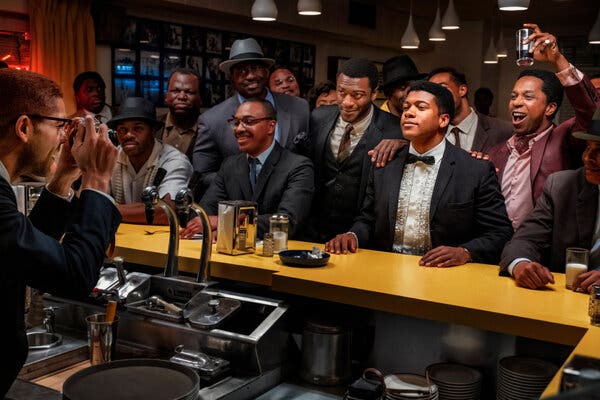
Film Mini-Review: The Four Tops

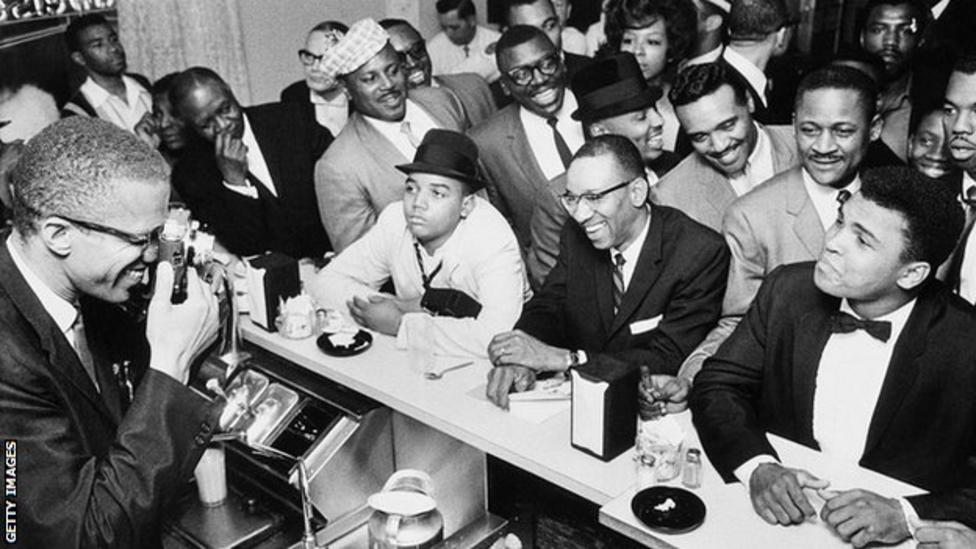
The more interesting, dramatic story that still needs to be told the playwright Kemp Powers saw only as a backdrop for Malcolm’s vulnerability. I understand the pop-culture impulse to Black Pack it–to show Sam Cooke, Cassius Clay-cum-Cassius X-cum Muhammad Ali, Jim Brown (who replaces Joe Louis in the broadcast booth as Clay beats Sonny Liston for the fist 🙂 time) and Malcolm X in a Florida hotel room and imagine what they talked about. With Martin Luther King absent from this meeting, the playwright decides in One Night in Miami to treat Malcolm as your annoying Jehovah’s Witness cousin who spoils your birthday party. The quartet are all at their own individual crossroads and discuss racism a lot, but the radical edge that is coming for this fantastic four as the ’60s grow late is blunted, only hinted at, a la Beneatha and Walter Lee in a Raisin in the Sun. By the time the purposely-shrunken (humanized?) Malcolm The Scold gets teased like a nerd, critically assessed (translation: he’s called full of shit! “You don’t have a job, Negro!”), humbles himself, cries, etc., and makes amends, the real film about Cooke (Leslie Odum Jr., showing Hamilton was no fluke!) has already started. One day someone will not be afraid to write about the decolonizing transition that Blacks–particularly Malcolm and Ali–really went through during this period; the weak closing quote from Malcolm shows that integration into American society on Black terms is all that this story was about, the only Black Power it can handle, and that is truly sad. (And when someone from a major studio has the courage to film that harsh-toned future script, that studio should immediately hire Regina King, who makes an extraordinary directorial debut here.) Two of the most radical African-Americans of the mid-20th century–two men that in their own ways personified Pan-Africanism after Marcus Garvey–remain in their comfortable rough-draft form, creatively but purposely.
 

My Book Review on Mumia Abu-Jamal and Stephen Vittoria’s Third and Final Book on the American Empire…..

….is here.


My Recent Webinar Appearances

Book Mini-Review: Ballad For Americans

A Promised Land.

Barack Obama.

New York: Crown, 701 pp., $45.

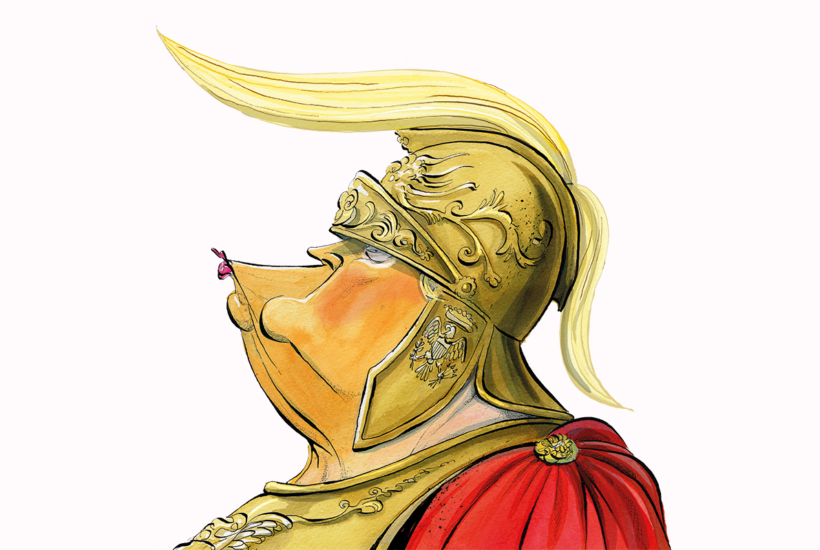
I finally understand accept Barack Obama. When I was in elementary school in the post-Civil-Rights/Black-Power 70s, we were taught, and ultimately performed in a school assembly, a suite of songs called Ballad For Americans. Some guy with a real deep voice led the chorus on the record we heard, studied and copied (And on that starry morn…/Oh, Uncle Sam was born! [Some Birthday!]). Reading 44’s account, the first of two volumes, I felt the same energy and purpose in this wide memoir–one, like its subject, does the amazing trick of A-1 narrative lacking first-person emotional depth; the real Obama is somewhere within his first memoir Dreams From My Father and in the books of his biographers. What remains is an account for the future American believer, written by a champion of the American downtrodden, not the oppressed. In Obama’s world, only two choices exist: a) give up (cynicism); b) work within the system for change–change meaning incremental moves. The post-Ballad Paul Robeson–the one that got in what Obama hero John Lewis has popularized as “good trouble,” real good–can’t appeal to 44, because the Obama of this book sees his white grandmother’s reflection in the mirror. He’s the kind of person who, as a child, waved an American flag with his family for the Apollo 11 astronauts, a person who hypothetically believes that reason leading to common understanding one day will, to give an example not in the book, pull down a Confederate statue. (Obama is not the only “new” American on the scene: He is symbolically aping the Ballad Robeson, while Lin-Manuel Miranda imitated him more literally.) He admires the Tea Party’s radical organizing but refuses to commit to it himself: “I’d spent my entire political career promoting civic participation as a cure for much of what ailed our democracy. I could hardly complain, I told myself, just because it was opposition to my agenda that was now spurring such passionate citizen involvement.” The Trump-ish forces represented by the Tea Party, then, understood/stand they’re in a (racial) war for the future of America but Obama sees it as mere (angry) civics. Sadly, this explains a lot. So 44’s map to the immediate future is optimistic and very realistic–way too so, if you happen to think white supremacists are more than just controversially civic-minded. But this Captain America has no choice but to be this way because he long ago locked the doors to any other ideas, any socio-political imagination that comes from first breaking the mirror.

DECEMBER 2nd UPDATE: https://www.foxnews.com/politics/progressives-fire-back-at-obama-after-he-criticizes-defund-the-police-movement

Mumia Abu-Jamal November 16, 2020 Press Conference (With Call To Help Russell Maroon Shoatz)

NOVEMBER 18th UPDATE: I forgot to include my Medium article!

NOVEMBER 20th UPDATE: Here is a link to the text of the press conference.

An EXCELLENT Example of Newarkers Documenting Their Own History

https://www.aaihs.org/the-possibilities-of-black-power-history-in-newark/

JUNE 30, 2021 UPDATE: Watching a Zoom Newark Public Library event on this book. The James Brown Librarian mentioned this website.