50-Word Review of “Doctor Strange: Multiverse of Madness” [SPOILER VIDEO ADDED]

A lot and yet so little

If you are only thrilled by a movie because of its middle and mid-credit-sequence cameos, are you really thrilled? If those two were taken out, this would be a sub-par effort because all of the nuance and lessons of WandaVision were sacrificed in order to create a decent horror showcase.

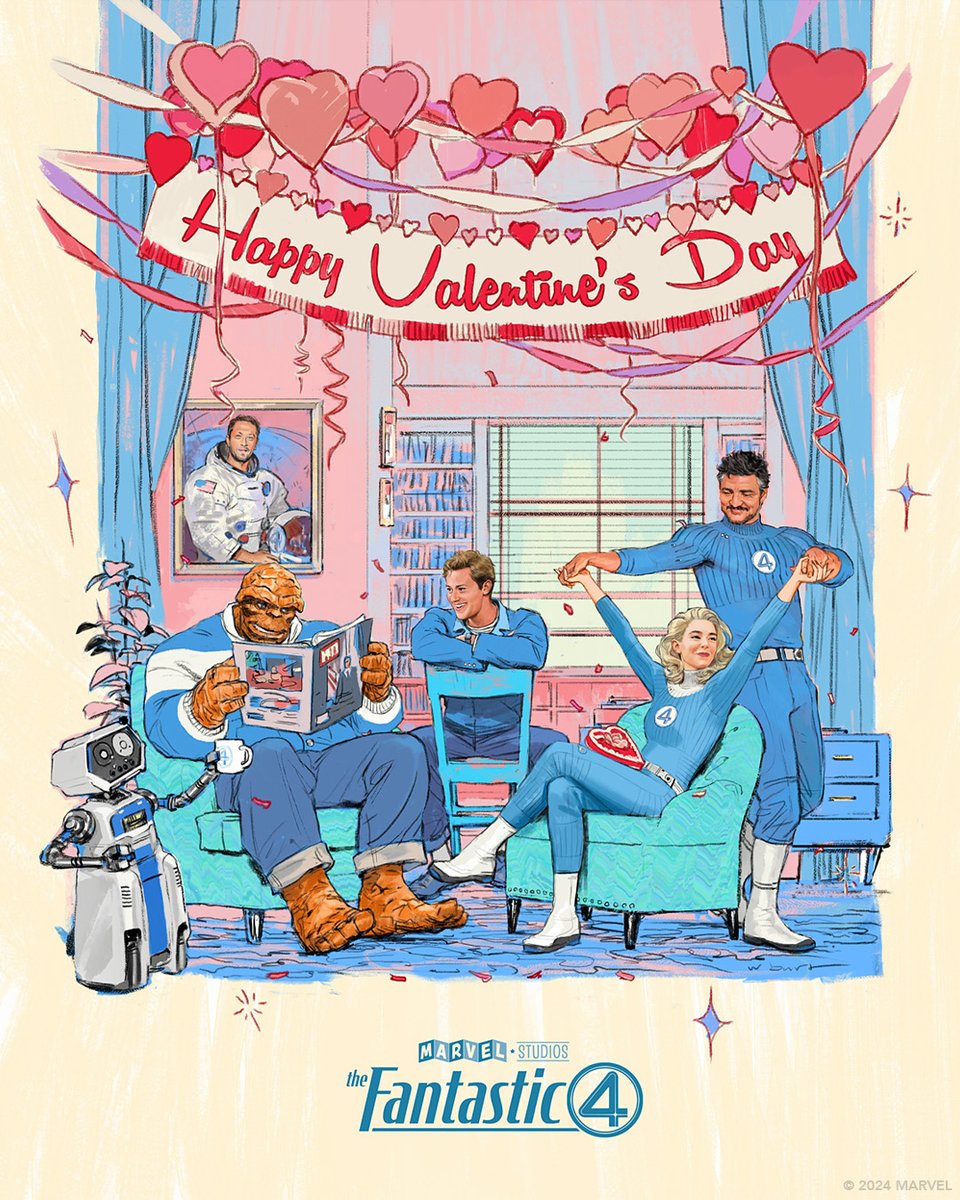
I didn’t know John Krasinski was this popular. Most of my cheering was because the FF was finally entering the MCU. Seeing Krasinski, the Geek Web’s choice for Mr. Fantastic, meant that my Marvel dreams are well on the way!

SECOND VIEWING REVISED THOUGHTS:

“In this movie, he makes a tiny little journey from being a very proud superhero to being someone who learns a modicum of modesty and learns that other people can be trusted, too,” [director Sam] Raimi says. “He’s not the only one that can do the job. It’s about coming to understand that others have worth and he’s not better than everyone.”

The film was better the second time when I figured this out and accepted that the above was its only thematic thrust. My real problem with the movie is that it wasn’t worth stomping on the character nuances of its best TV show to date to get there. Strange’s growth comes at Wanda’s expense. We’ll see if the Marvel Master Plan is worth this.

114-Word Review of “The Batman”

The Darkest Knight

Those who know and love the top stories of the last 30 years or so of Batman comics–particularly those of the last 15 years–will think this is two-thirds of a masterpiece and forgive the exposition-ish info dump at the beginning of the third act. The film’s last part attempts to serve the needs of both epilogue and the now-customary post-credit let’s-set-up-the-next-two-films. This outing is so powerful it will make you forget any Batman film not named The Dark Knight. After this soon-to-be trilogy, the only future film direction I’d see is Batman Beyond because it would be the only part of this soon-to-be 90-year-old character that will not be mined by then.

Still Obsessed With “Maus”…….

….so I was happy to find out about and listen to this Graphic Policy Radio podcast. I was even happier to find out about this forthcoming book (and listen to another comics podcast with the author).

*****

197-Word “Eternals” Review

Here’s what The Verge says:

Eternals is Marvel’s biggest swing in years. It’s an attempt at a prestige-style film directed by Chloé Zhao, fresh off her Oscar win, at a size and scale that none of Marvel’s previous films have tried. But despite its grand ambitions, the film gets lost in its ponderous ideas and caught in the constraining box of what an MCU film has to be.

My review is my answer to this comment.

Eternals is Marvel’s biggest swing in years.

Hell, yeah!

It’s an attempt at a prestige-style film directed by Chloé Zhao, fresh off her Oscar win, at a size and scale that none of Marvel’s previous films have tried.

True to the max.

But despite its grand ambitions, the film gets lost in its ponderous ideas and caught in the constraining box of what an MCU film has to be.

Strongly disagree. I think it’s one of Marvel’s best–that’s right, I didn’t stutter!!! LOL!!!

But this film will definitely test what you like about superhero movies, character studies and world mythology. I want to go see it again, but I might just digest it for while–then return on Saturday 🙂

TV Review: Muhammad Ali, PBS’ and Ken Burns’ White Rock Star

The show, the after-party, the hotel: metaphorically busting up American hotel rooms in his youth, before he “grew up”

Muhammad Ali always made this reviewer laugh out loud, but this may be the first time that open cackle is the result of a very serious Ali documentary. Ken Burns, in filmmaking combo Blackface and cross-dress, takes the role of Black church grandmother with the big hat, waiting for her grandson Cassius to give up that Panther mess and return to their neighborhood AME.

To Burns, Sarah Burns and David McMahon, Muhammad Ali is a Buddy Holly figure who got to live and grow old. He’s an Elvis-type who didn’t die suddenly on his toilet, a living, breathing hula hoop and frisbee, the dark fifth Beatle. Making a Third World activist who was a borderline revolutionary–someone who even Burns said was encouraging Afghan guerillas to overthrow the Soviet Union in his later years–into Jack Armstrong, The All-American Boy took some skillful, involved work. The trio accomplishes this by using every rock-star convention, trope and cliche–the innocence, the power, the excess, the decline, the fall. There’s Ken Burns’ and Co.’s forced narration–aptly provided by Keith David–and then there’s Ali’s actual narration, so the socio-political-cultural tension is always there: Burns keeps trying to win the bout, the most prominent examples being that the Nation of Islam is treated like some sort of annoying cult-fad that Burns patiently waits to burn out, and Ali’s calls for Black/African/non-white solidarity just a phase of his–a step toward human consciousness (which only comes through illness and the subsequent white, matured sympathetic gaze, according to this tale), not the call for self-determining power.

Proving once again that PBS can put a pale frame on anything, this future award-winner can start with this writer’s mental tropies for chronological detail, where to put the episode cliffhanger, effective use of Digable Planets 🙂 and the proper poignancy, particularly at the close. If this presentation is the “white” Ali and The Trials of Muhammad Ali and When We Were Kings are respectively the political and Pan-African Ali, that means the only Ali story left to tell is one about his relationship to religion. At his best, Burns at least comes close to that–chronicling how the sinner who, now humbled, learned to ask for forgiveness. Ali had a lot to atone for–he was cruel to his opponents, the doc repeatedly says; the Black interviewees keep reminding the viewer that he took public umbrage to those Blacks who proudly represented America during the time of a worldwide Movement. That story is not emphasized here enough (although Burns would vehemently disagree), and the rationale for that lack of emphasis is that, for the purpose of this narrative, this Ali first peaks and, later, begins his denouncement at the Olympics, symbolically draped in Burns’ Love, Americana Style.