Wait, 10 is 14 Again?!? Yeah, that’s “Doctor Who” Math For You :)
As the ultimate David Tennant-as-10th-Doctor fan, I can’t explain to you how much I am against his return. So I can’t tell you how happy this trailer makes me!!! LMAO!!!!!
(For those who need catching up: Previously…..)
*********
🙂
“Meanwhile, At The Hall of Justice….” Fifty Years Ago Today……
(JULY 13th, 2025 INSERT:
)
(AUGUST 3, 2025 INSERT:
)
…..Saturday mornings on ABC became appointment television for millions of 1970s children across America. (All this and Scooby-Doo and Schoolhouse Rock, too!)
🙂
Oh, an important societal note:
If you want to see a 1973 future-forecast prediction of Amazon.com, streaming services allowing people to stay home, etc., please find and watch all of the first-season episode “Professor Goodfellow’s G.E.E.C.” Two small excerpts:
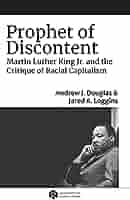
Dr. #JaredBall And I Discuss The Book “Prophet Of Discontent: Martin Luther King And The Critique Of Racial Capitalism”
My Novel’s First Draft: Labors End, Labors Begin
So that’s what writing a rough draft of a novel is like!
Mine was easy since my novel is 80 percent true!

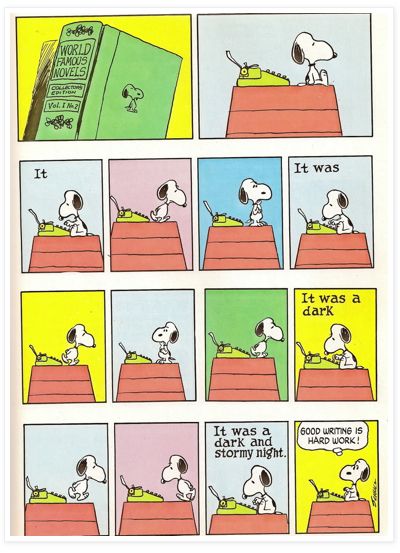
So I learned that all the fiction-writing stereotypes are true.
- You do get ideas when you’re trying to go to sleep.

- The characters do talk to you in your head until you write down what they are saying and/or doing.
- It does take as much time as you give it.
- It is true that the reader doesn’t have to know the whole history and background of your characters, but you do.
- You do miss your characters when you are done and it is a good idea to jump right into another project–as in “meeting someone new.” 🙂
- It does take a certain stamina and commitment to finish–particularly when you realize it’s just a first draft. (I haven’t run it through the AI yet.)

Wheee!!!! The Rising Tide of Trump TV

And we’ll have fun, fun, fun….. 🙂 It’s clear that MSNBC has practiced on Donald Trump for years like Olympics training. 🙂 The fact that it finally has something simple to explain–counting votes, Mob-like behavior, holding secret documents, white men trying to be above the law–really helps. I never understood one word of its RussiaGate coverage.
Joy Reid, Nicolle Wallace and Rachel Maddow are Ivy(ish)-educated talented writers and broadcasters who were born perhaps for this exact moment. (Conversely, do you think that our Ivy-educated young sis, Abby Phillip, is ready to sound like them? Does she have the emotional strength/anger level to go for the jugular? Will CNN let her do so?) They get to finish a narrative they’ve been carrying on every afternoon/night for years. Reid has been really serious these last 10 days or so, and I like her that way instead of her many failures at trying to provide Jon Stewart/Trevor Noah-type entertainment. Maddow clearly wants to be a contemporary historian. And the Morning Joe team enjoys writing Trump’s obit every day.
I’d feel much better about this if MSNBC would re-hire the former in-house rebel Tiffany Cross. She did nothing wrong but be herself and tell her truth, 1969-style. But I guess one Al Sharpton is enough for the network, and even he won’t talk that way anymore….
PO1135809: Racketeering, “A Criminal Conspiracy,” (American) Enterprise (cont’d)

Racketeering, “A Criminal Conspiracy,” (American) Enterprise (cont’d)
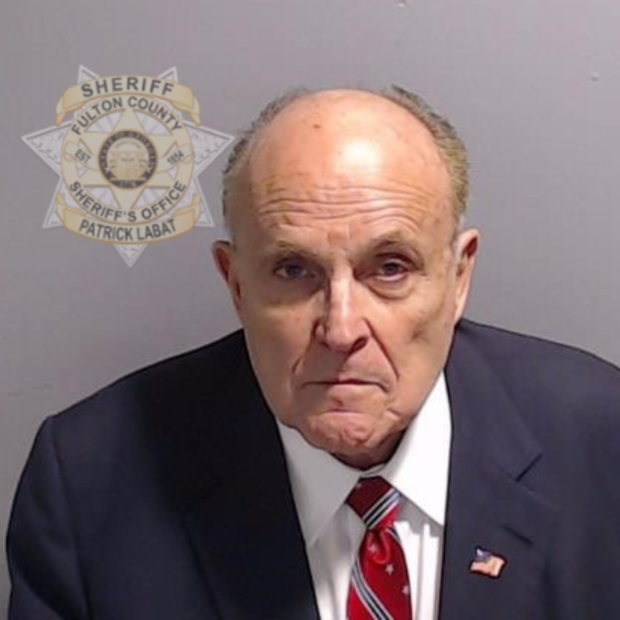
Racketeering, “A Criminal Conspiracy,” (American) Enterprise
Full Speech By SAG-AFTRA President Fran Drescher
CONTEXT: This interesting (pre-SAG-strike) article contextualizes what has happened in TV land and this one adds to guesses of what may happen next.
 Drums in the Global Village