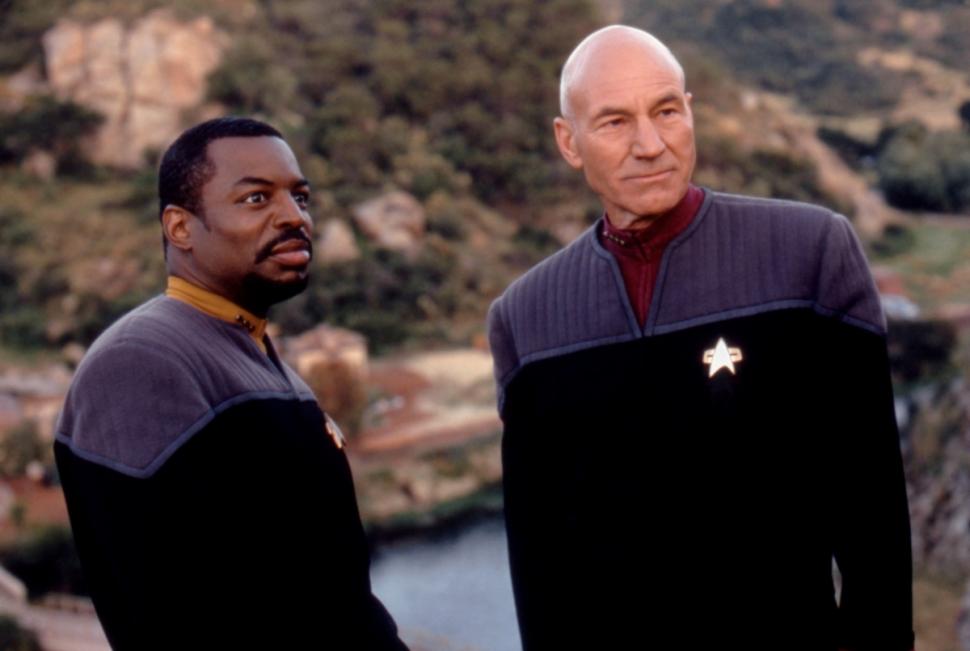
………….I found this a GREAT idea! They’ll make $5 million for sure, now! (Although they were going to, anyway 🙂 )

For some reason, I’ve become obsessed recently with the LYRICS to “Star Trek: TOS.” It’s a little known fact. Here they are (and good going, whichever fan sang this 🙂 ):
Beyond
The rim of the star-light
My love
Is wand’ring in star-flight
I know
He’ll find in star-clustered reaches
Love,
Strange love a star woman teaches.
I know
His journey ends never
His star trek
Will go on forever.
But tell him
While he wanders his starry sea
Remember, remember me.
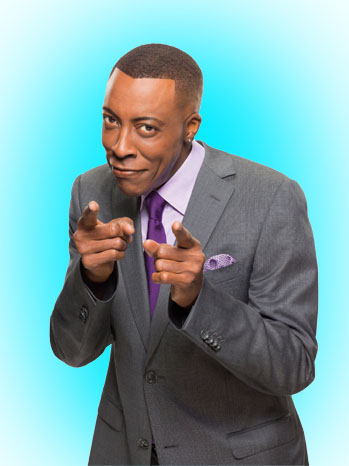
Decided not to jump on the second time around, but I did like it when Earth, Wind and Fire made him an honorary member and gave him a Kalimba. 🙂
Hmmmm…….. And this explained what happened well. And I’ve attempted to truth-squad what happened the first time he got canned.
Are you satisfied in your life and time?
Does it clear you mind
With all the hurt you find?
Built on Mother Earth
They were meant to stay
Nations bloom today on gifts of yesterday
Born of the Earth, are nature’s children
Fed by the Wind, the breath of life
Judged by the fiery hands of God
World goes by the hand of the master plan
Can’t you understand
You’re but a grain of sand
Do you need a guide
Who you know will make you feel satisfied?
Head to the sky will tell you why
Born of the Earth, are nature’s children
Fed by the Wind, the breath of life
Judged by the fiery hands of God
Do you need a guide, make you feel satisfied?
Can’t you understand
You’re but a grain of sand
When you search the sky, alright
Does it make you cry, though you understand?
Ain’t nothing but a big old man, alright

A true Black press journalistic warrior has passed. I know Hazel Trice Edney, his protégé, will keep his legacy alive, as will his family. He was legend.

Ray Boone, Crusading Editor, ‘Champion’ Journalist, Dead at 76
By Jeremy M. Lazarus
(Richmond Free Press) – Raymond Harold “Ray” Boone had a snappy response when the infuriated commander at an Army outpost in South Carolina threatened to lock him in the stockade for staying seated when the band played the Southern anthem “Dixie.”
“Let’s go,” Boone, then a corporal, told the furious officer who backed down and let him off with a warning.
With his dander up, Boone sent a letter detailing the situation to then powerhouse New York Congressman Adam Clayton Powell Jr., whom he knew.
That resulted in a call from the White House to the commander questioning his actions toward Mr. Boone and his order that soldiers stand at attention for the song. Mr. Boone had no further problems.
That story from Boone’s experience in the military speaks volumes about his fearless approach to dealing with wrongs – as a journalist for more than 60 years and as a person. The dapper founding editor/publisher of The Richmond Free Press refused to be intimidated during his 22 years at the helm – seeing himself as continuing the legacy of his journalism hero, John Mitchell Jr., the “fighting editor” of the Richmond Planet who carried pistols and dared White supremacists to lynch him for writing about the injustices of his day.
A true believer in the First Amendment and the U.S. Constitution, Boone vigorously championed democratic values, with an emphasis on justice and equality for all, never forgetting the harsh segregation conditions he dealt with growing up in his native Suffolk.
As one of his admirers put it, “he was the undisputed, undefeated heavyweight champion of journalistic pugilism.”
Boone’s role as an influential community leader ended Tuesday, June 3, 2014, when he lost his battle with pancreatic cancer. He died “peacefully in his sleep with a smile on his face,” said Jean Patterson Boone, his wife of 47 years and Free Press president of advertising. He was 76.
She vowed to continue “to operate the newspaper and maintain its mission to promote equality and fairness. That is the best way to honor my husband.”
Boone was active in the newspaper almost until the end, said his daughter Regina H. Boone, a photographer with The Detroit Free Press. “He knew what was going on. He was talking about what the headlines should be” for the May 29 edition, she said.
Boone built the newspaper into one of the largest weekly newspapers in the state in striving for lively reporting and strong opinions. He was involved in a variety of crusades. He named his longest running campaign “Vote with your dollars” to encourage readers to use their spending power to reward companies that catered to them and to punish those that didn’t.
He also sought to brighten the city during the winter with his “Love Lights” campaign. Boone also pushed, poked and prodded governors, legislators, mayors and council members to do more business with Black-owned and minority firms. That pushing led former Gov. Mark Warner to investigate how well the state was doing and to overhaul Virginia’s program after a study shockingly found that less than one-half of one percent of state spending for goods and services went to Black and minority businesses.
As a result of The Free Press crusade, Mayor Dwight C. Jones set a 40 percent goal for minority business inclusion on major city projects, such as the construction of the new jail and four new schools.
Boone made up his own mind about issues and was ready to take his stand no matter what. Last year, for example, he announced The Free Press would no longer use the name of the highly popular Washington pro football team, calling it a racist insult to Native Americans.
And he called for the ouster of Roslyn M. Brock, the NAACP’s national chairwoman, accusing her of being tepid in her efforts to address the team’s nickname and for failing to address discriminatory practices of the team because her employer, the Bon Secours Health System, was financially involved in developing the team’s new Richmond training camp.
Three years ago, when protests over the country’s income disparities reached its peak, he opened the front lawn of his South Side home to members of the Occupy Richmond movement after Mayor Jones evicted occupiers from a Downtown park. The action was a poke at the mayor who lived next door. Boone and the occupiers ended the protest over corporate control before the city cited him for a zoning violation.
Boone used his editorial page to chastise now deceased Chief Court Justice Leroy R. Hassell Sr. over Black news media access to cover ceremonies and proudly declared victory when new Justice Cleo Powell allowed Free Press photographer Sandra Sellars to cover her investiture, a first for a Black newspaper.
There were plenty of others he took to task, among them former Virginia Commonwealth University President Eugene P. Trani, whom he repeatedly bashed for failing to diversify the school’s leadership.
Boone always credited the education he received in the segregated schools in Suffolk. “It was preached that you could be segregated physically, but you could not be segregated mentally,” he told an interviewer in 2003, “and if you did well in education and you were disciplined, you could overcome the tremendous barriers you faced.”
He followed that mantra, absorbing books and becoming a walking encyclopedia of Black history. Boone said his interest in journalism developed after one of his teachers “told me I could write.”
At East Suffolk High School, his direction was set when he found there was no newspaper and yearbook and started both. He saw this as an opportunity, he once said, “to put our school on the map.”
He took his biggest step into a newspaper career when he approached the local newspaper, the daily Suffolk News-Herald, about writing stories about sports at the Black high schools. The newspaper had never covered those stories and allowed him to be their correspondent. His stories began appearing on the sports pages, a first for news about the Black community,all of which had previously been relegated to the “colored” pages.
Boone continued to write for the daily while studying at Norfolk State University. He later transferred to Boston University, where he earned his degree while also working as city editor for The Boston Chronicle and as a reporter for The Quincy Patriot-Ledger to pay his way.
He often would tell stories of being short of money and of mixing packets of ketchup into a cup of hot water to create soup. Following his graduation, he went to Tuskegee, Ala., to work as director of public information. Called into service, he joined The Baltimore Afro-American after he was honorably discharged and became the White House reporter for then one of the largest Black-owned papers in the country.
In 1965, he was sent to Richmond to become the editor of the paper’s Richmond edition and began his rise to prominence. He quickly became a partner with the founders and leaders of the Richmond Crusade for Voters, Dr. William S. Thornton, John Brooks, Dr. William Ferguson Reid, in seeking to boost the power and influence of the black community on the political stage.
He was instrumental in enabling Dr. Reid in 1967 to become the first Black person elected to the General Assembly in the 20th century. From future Gov. L. Douglas Wilder to future Richmond Mayor and state Sen. Henry L. Marsh III, Boone used the newspaper to open doors for a new generation of politicians and to promote jobs and education.
He also was involved in creating the Frederick Douglass Program in 1969 to help train young Black men and women for careers in journalism.
Boone would go on to become vice president of The Afro-American chain where he was responsible for multiple editions. Time magazine credited him with bringing “sophistication and verve” to the Black press.
He was proud of sending Afro-American reporter William Worthy to Iran after the overthrow of the shah to provide reports on the revolution. By 1981, Boone moved on to teach journalism at Howard University in Washington before returning to Richmond in 1992 to begin his own newspaper.
While serving as a Pulitzer Prize juror on two separate occasions, he spearheaded a successful effort that resulted in the placement of African-Americans and women on the Pulitzer board at Columbia University. He had contacts galore across the country as a life member of Kappa Alpha Psi Fraternity, the National Association of Guardsmen, the National Newspaper Publishers Association and many other organizations.
Along with his wife and daughter, survivors include his son, Raymond H. Boone Jr., Free Press director of account resolution and new business development; his grandson, Raymond H. Boone III; a sister-in-law, Phyllis Riley; seven aunts, one devoted, Dorothy Boone of Suffolk; two uncles; a half-brother, Thurman Boone of Suffolk; four half-sisters, Geneva B. Boone, of Hopewell, Geraldine Boone Clark of Richmond, and Ira Boone and Lolethia Boone, both of Suffolk, and many other cousins, nieces and nephews.
…..stuff like this is what Ann Hornaday was talking about. (Here is Seth Rogen’s response and a link to a Hornaday defense.)
Tess attracted enough to J.T., the computer and science geek, to sleep with him? (And being disappointed that he’s not in deep? And that he wouldn’t be in deep?) Never in a million years, but it makes me happy and hopeful, though! LMAO! 🙂
POST-VIEWING UPDATE: Of course he wanted the relationship! He’s not stupid! LOL!

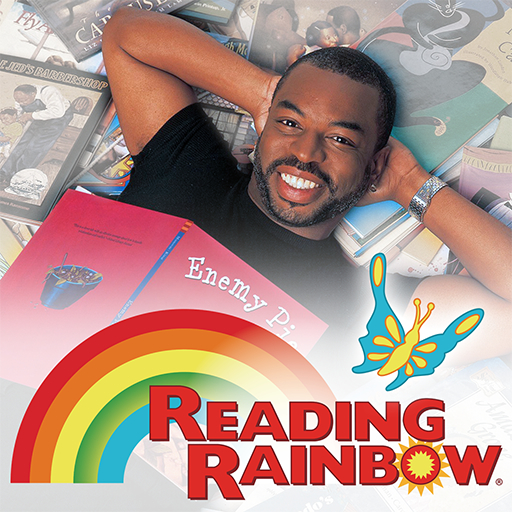
(And here’s Lavar answering some shade thrown by The Washington Post about his venture being for-profit)
And, just for fun:

The corrected, corrected version. 🙂
NEWARK, N.J.—Ras Baraka, one of the sons of the late poet/playwright Amiri Baraka, handily beat rival Shavar Jeffries Tuesday night to become the next mayor of his father’s city. How he did it was no mystery to those paying attention.
The mayor-elect paid tribute to his father, who died in January, and his mother, Amina Baraka, who was nearby off-stage at the Robert Treat Hotel here.
“I know that my father’s spirit is in this room today, that he is here with us, and I want to say ‘Thank you’ to him for believing in me up into his last days of his life, and him passing out flyers even on his hospital bed. He fought all the way to the end,” he said to his jubilant supporters.
To Amina Baraka he said, “Happy Mother’s Day, Ma. You deserve this more than me. My mother’s whole life has been Newark. She has struggled and fought, and even (fought) with all of us to make sure we go right and do right by the city of Newark.”
Using unofficial Essex County Clerk’s Office results available at deadline, Baraka’s vote total was 23,416 (53.73 percent of the vote) to Jeffries’ 20,062 (46.03 percent).
“Today we told them, all over the state of New Jersey, that the people of Newark are not for sale,” he said, referring to the estimated $2 million that Jeffries’ financial supporters, many of them anonymous donors, poured into his rival’s campaign.
Baraka threw shirts to his supporters that read, “I’m the mayor.” His slogan was, “When I become mayor, we become mayor.” He told the crowd to celebrate, and then get ready to “roll their sleeves up and get ready to be the mayor.”
The mayor-elect and the hundreds of supporters then left the hotel and marched to Newark City Hall.
Baraka, 44, will become Newark’s 40th mayor at his July 1 inauguration.
Newark, an overwhelmingly Democratic city, has no party primary, with officials instead elected on citywide tickets. This situation allowed Jeffries and Baraka, both Democrats, to slug it out over who was best qualified to reduce crime, spur the city’s economic development and fight to repair the city’s struggling school system, the latter controlled by the state for the past 19 years.
The election is seen as important because Newark is the heart of predominantly Democratic Essex County, an important collection of votes for anyone running for New Jersey governor.
Since Newark elections have now been populated by candidates relatively new to the city, the prickly question of “authenticity” has become a real one here in the last 20 years.
A mayoral candidate now has to prove himself sufficiently Black (and soon, sufficiently Latino), urban and progressive. U.S. Sen. Cory Booker (D-N.J.), the previous mayor, promised new energy and new investments, but he still had to earn his way from Yale Law School to the Newark City Council, and eventually the mayor’s chair, vote by brick.
When the mayoral race narrowed to two, Baraka kept jackhammering at the main fault line of the Shavar Jeffries campaign: its open hubris.
Jeffries may have been born in Newark, but he appeared from Seton Hall University Law School fully formed and fully funded—by anonymous donors. Jeffries served on the Newark Advisory School Board and was president of the Newark Boys and Girls Club, two very important city positions.
But that just doesn’t carry the same juice as being on the council, where a councilmember is directly responsible for Newarkers’ lives and where people test his or her power and commitment to the city’s decaying working-class neighborhoods and the people who live in them.
The campaign had the atmosphere of history around it because of the obvious question: could the son of Amiri Baraka, a Black communist poet and playwright who was beaten by police during the 1967 Newark insurrection, be elected Newark mayor?
Until his transition into ancestry this past January, Amiri Baraka was known as a living legend in Black literature, and an historic figure in 20th century Black politics. But to many Newarkers on the street for decades, he was known as “that Black radical” and that old, cranky guy who sponsored poetry and jazz concerts in the basement of his home or in downtown city parks.
The question became less significant the more time spent on the Newark streets. Baraka received no “sympathy vote” because of his father (or his slain sister Shani, for that matter). Newarkers who were interviewed kept mentioning that they knew, or knew of, Baraka and didn’t know Jeffries.
As a deputy mayor, he accepted only a salary of $1, rejecting the doubling of his school district income. At the last debate, he said that, as mayor, he will actually receive a pay cut from his combined council and high school principal posts.
People on the street notice things like that. They also know well their elected representatives, children’s teachers and principals, and the principles all hold.
The radical Howard University student activist who returned to Newark and became a city schoolteacher, and later vice-principal and principal, taught outsiders, and reminded returning sons, that many, many Newarkers are actually committed to living here.
That radical faith in maintaining and renovating the old bricks of his city, like the younger Baraka’s ability as a poet, may be partly hereditary, but, in the end, he earned every vote he got every day between his 1991 Howard graduation and Tuesday night.
And now The Pulitzer!
A very good year for (white, male elite) journalism! And, yes, a vindication for people who needed none.
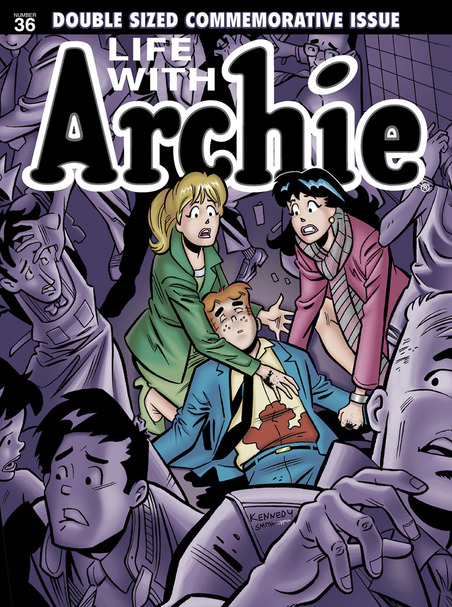
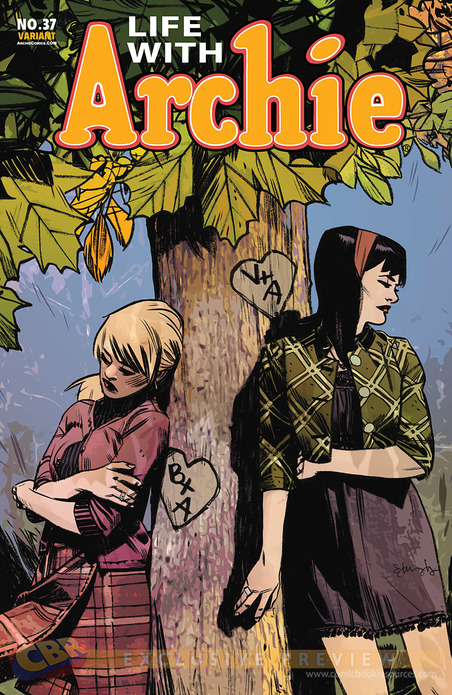
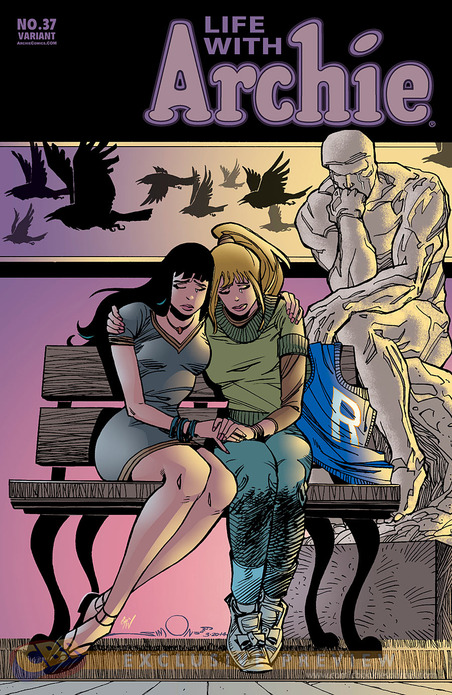
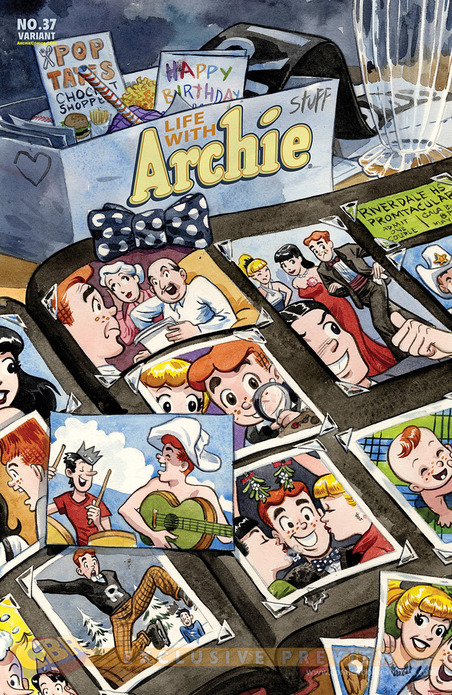
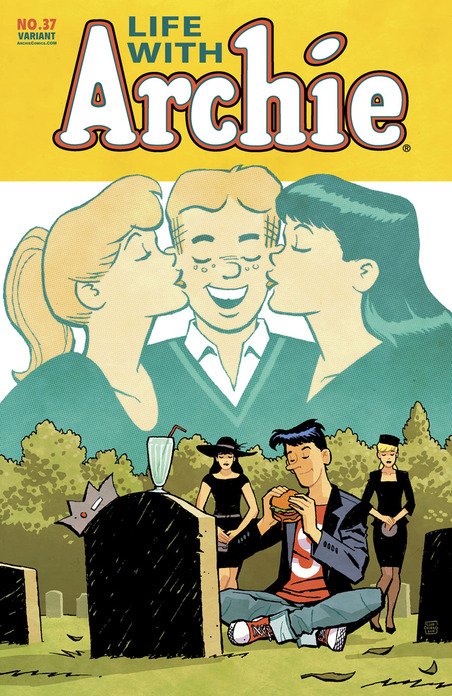
This is (and soon, was) the only Archie title I’ve ever read from No. 1, subscribed to and collected. It was a good book, but I did feel it was running out of steam.
I gotta give Archie Comics credit. The company has learned how to be relevant in the/to teens (See this story’s accompanying video). 🙂 Gay characters who get married. Zombies (watch the scary trailer!). Marrying Archie off–not just to Betty and Veronica, but even to fine-ass Valerie from Josie and the Pussycats!
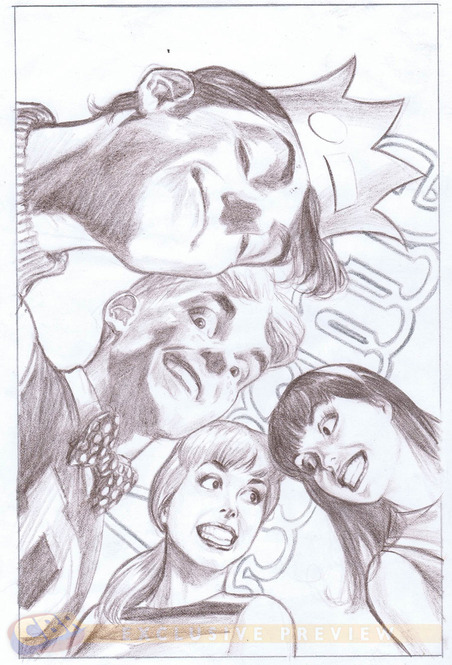
Here are the variant covers to Nos. 36 and 37:
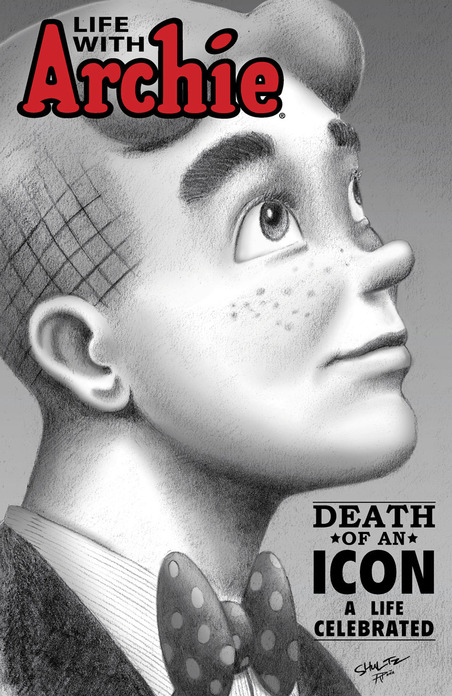
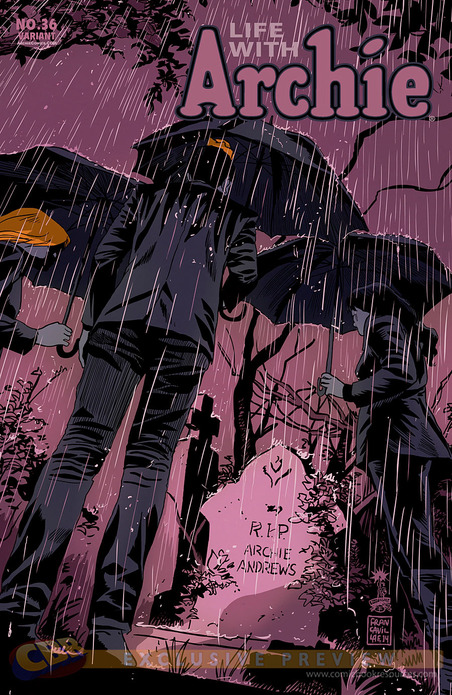

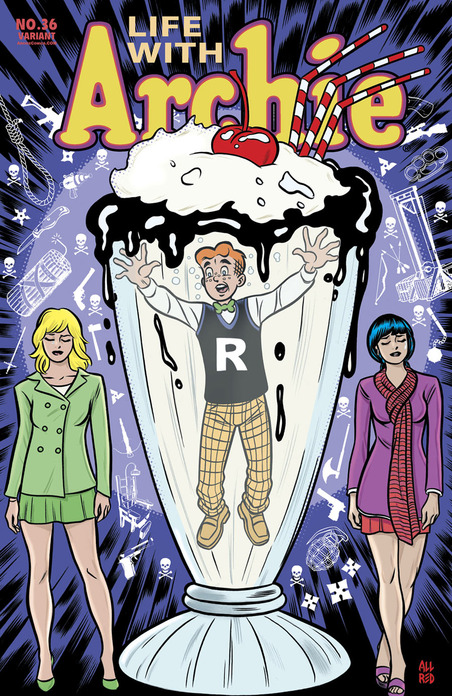
(Leave it to Mike Allred to do something that weird 😉 )
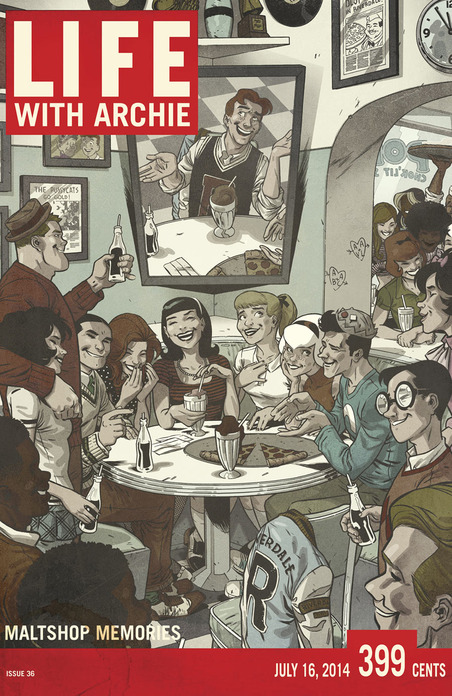
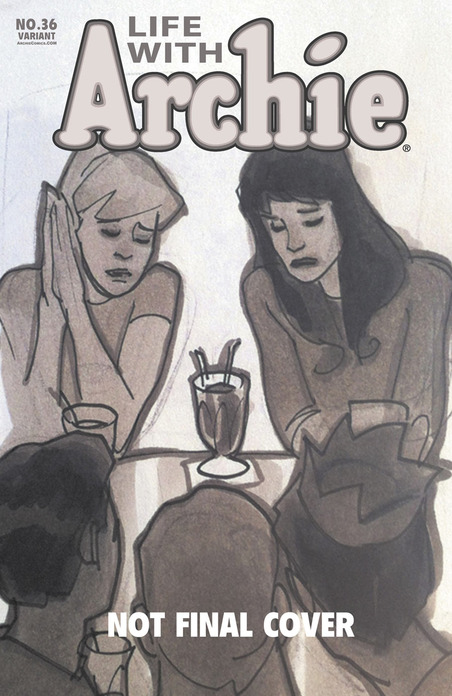


 Drums in the Global Village