Aftermaths (Or, Tavis Smiley, Black Nationalist)

I almost don’t know what to say  here. I saw the Negro Cup-of-Soup (it was too downscale to be called a Negro Bowl), and I dunno. Tavis Smiley said we needed a Black agenda, and he wrote one, right? So why did they/we have to meet? Couldn’t they/we have just presented President Obama with a copy of The Covenant and called it a day? I mean, didn’t one of the panelists basically say that Obama was doing some stuff from that list? At least, what he was going to do for all Americans, since that’s his public bag.

(And it’s not like a lot of people didn’t see all this coming. *SIGH*)

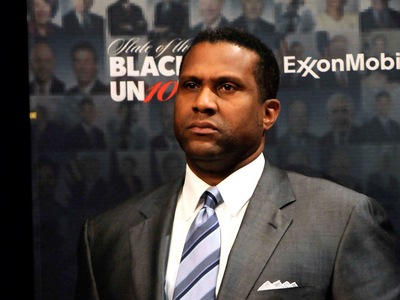
It’s funny to me that Smiley, a preacher’s kid from Indiana, is now holding the torch for 21st century Black nationalism. Again, not sure what to do with that. 🙂

On that topic, happy that Smiley is telling the truth about Martin Luther King vs. Obama. And I like that he has the resources (money, PBS platform) to say what needed to be said.

Meanwhile, in post-health-care-victory America, hate media continues to be on the march against the centrist Obama. Who is a proxy—target?—for all people of color. Who will one day (like, tomorrow or the day after) be the racial majority in  America. White fright,  fright night. So now what? I dunno.

P.S.  I don’t think this kind of thing really helps anything but Republicans, since they will use it to create a (false) sense of victim balance.

P.P.S. This sure reads good. I hope it’s true. And my Morgan colleague, Dr. Greg Adamo, called Obama’s student loan law “single-payer for college students.” Again, hope so.

The Return Of Tavis Smiley's Negro Bowl?!?

Well, that was quick! LOL! I just wrote here that The Negro Bowl was over, and now it’s back—kinda. More like a remix, I guess! LOL! 🙂

I think I got the story straight: Tavis is mad that civil rights leaders visited the White House and asked for nothing. 🙂 Not only that, but they told the press that they were happy they asked for nothing—they really wanted to help the President help everybody. 🙂 Am I being fair here?

So now he and his crew (Dyson and West, et. al.) are supposed to rumble with Jealous, Morial and Sharpton in Chicago, in a pared-down Negro Bowl next month? (Here Smiley and Sharpton discuss the issue in the audio segment here. Shockingly, Sharpton is not treating Smiley as if the PBS host is The Emperor of Holding National Black Meetings.  🙂 ) Do I have this right?

So will a Black agenda come out of allathis, or is this just a way to promote books and broadcast outlets (as usual)? And if one comes out, who will give it to Obama? And would he take it?

MARCH 3rd UPDATE: Glen hits the mark as usual.  MARCH 16th UPDATE: And so did Michel. And although I agree with Tavis, I LOVED the below:

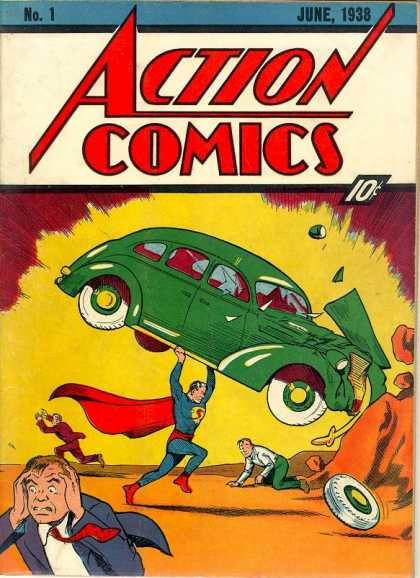
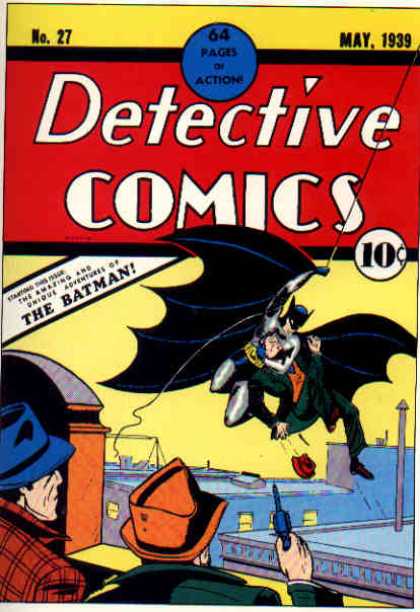
And Speaking of Superman, I'm Very Excited About…….

…..the upcoming return of this legendary comicbook! Neal Adams’ best art ever! (Lookit how much an original in good condition can cost!) Can’t wait! 🙂

The list of 1970s celebrities on the cover (along with much of the comicbook) is here.

And anybody remember this homage ESPN magazine cover Neal did back in the day? Of course I loved it and immediately recognized it!

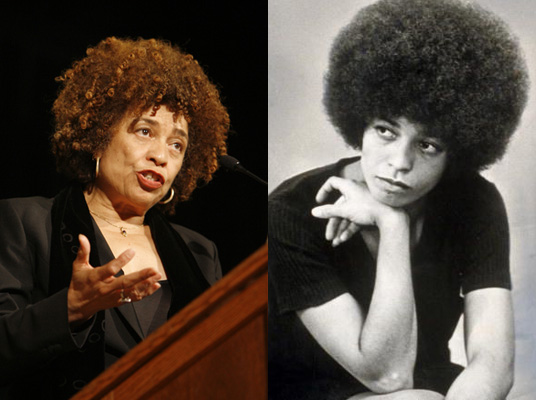
Book Review: Frederick Douglass, As Seen By The Eyes of Angela Davis

angela-davis-now-n-then

Narrative Of The Life Of Frederick Douglass, An American Slave.
Written By Himself.
A New Criticial Edition by Angela Y. Davis
.
CityLights Books.
256 pp. $12.95.

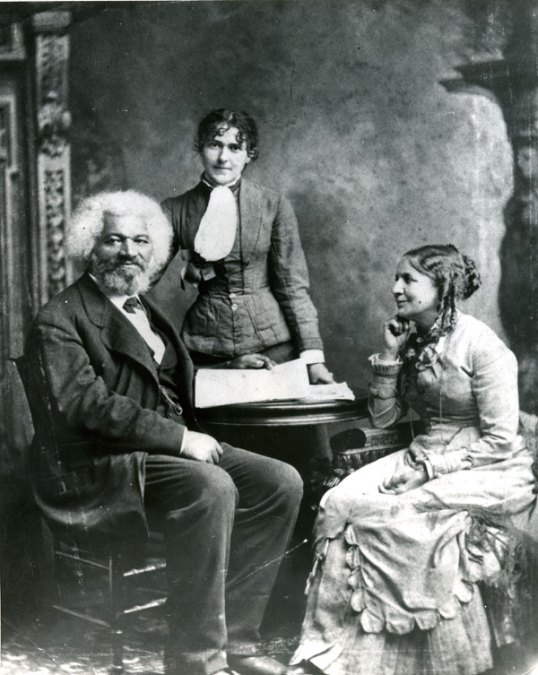
What, to the feminist, is the life of Frederick Douglass? It is a life that reveals to him and her the power of a man attempting to achieve freedom and finding that to be free meant to be free in all things—in word, in deed, in spirit. But it also means that definitions of freedom must continue to be redefined, revised, expanded.

The chains that held Douglass and Angela Davis, two of the strongest freedom fighters that America’s oppression produced, hold together the new edition of this classic work of American autobiography. Using the text of lectures she delivered at UCLA in 1969, after the university fired her for her Communist affiliation but before her world-famous arrest and trial, Davis provides an extended introduction of sorts to the world of Frederick Douglass. In her talks, she uses Douglass to examine the philosophy of freedom.

The escaped slave wrote the book to prove to all that his story was true. He also needed his story to be connected to him, not to his abolitionist friends and allies. To Douglass, writing, was like reading—an amazing power: “I understood the pathway from slavery to freedom.” In a new introduction to her decades-old lectures, Davis, no stranger to the writing of a classic autobiography and to the sexism within Black movements, dissects Douglass’ strengths and pitfalls of how he defined freedom—a definition that, Davis explains, leaves enslaved women behind as symbols of oppression, unable to achieve the “manhood” Douglass equates with his liberation.

douglass_helen_eva_frederick

The two pioneering feminists merge together, in theory and in practice, on the nature(s) of liberation. In this book of merged centuries, freedom travels from idea to action (creating resistance) to finally, negotiating a complex reality. Davis, in 2009 : “Many of us thought [in the 1960s and 1970s] that liberation was simply a question of organizing to leverage power from the hands of those we  deemed to be the oppressors.” An idea whose time has gone in the Obama era, one in which, supposedly, the ultimate power has been leveraged, but from whom and for what? This new version of an old book is a perfect excuse to analyze (Douglass’ and Davis’) views of freedom as we continue to debate the Black movement’s purpose in the second decade of the new century.