Your contributions will be remembered.

…..that Conan is displacing Lopez, moving him to midnight?
No? Oh, because Lopez is a **** and should be lucky to have white people give him a show and a major white lead-in on a kinda-major cable television network so he can make as much money for them as possible?
Oh, okay, just checking. 🙂

…..for getting your blog and getting significant (all day?) Pacifica Network coverage on your upcoming 56th birthday. And I’m really happy about this weekend’s C-SPAN “Book TV” event for “Jailhouse Lawyers.” You have not been forgotten in the Age of Obama.
If only you could access any of it. And if only you didn’t need any of it.

I only watched three, and this was my favorite. 🙂 This is clearly a big thing.
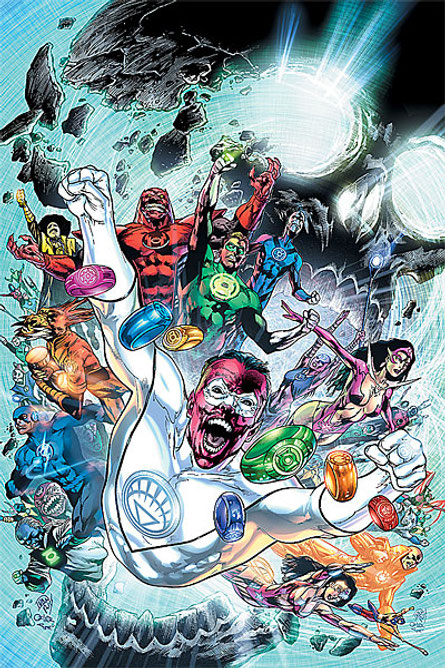
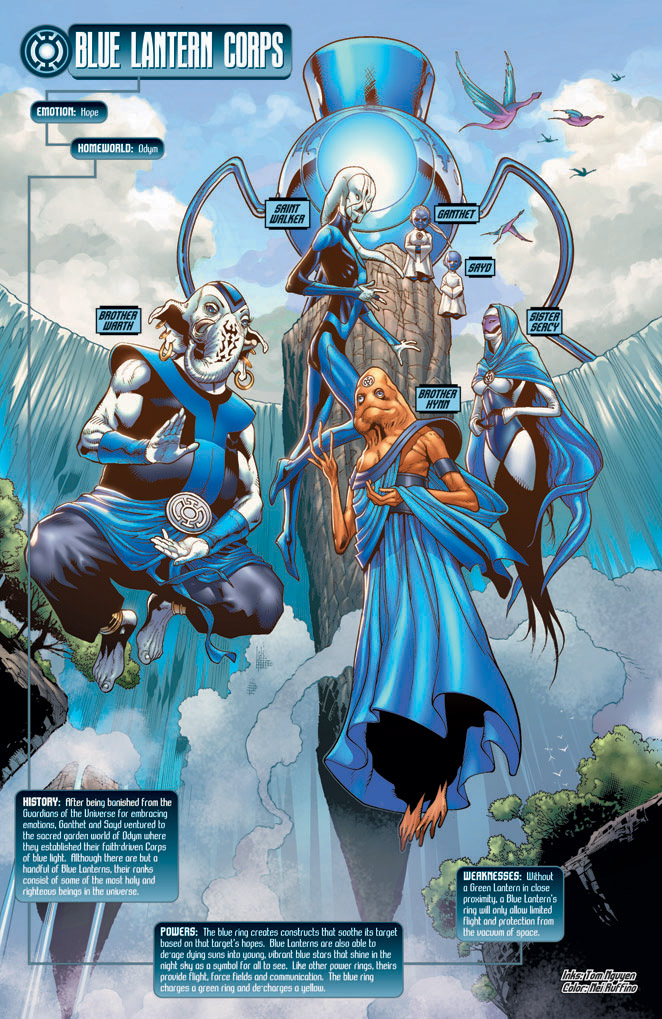
…..as “Captain Planet” homages go 🙂 , I thoroughly enjoyed “Blackest Night.” (I even have a Blue Lantern Corps ring and button.) I would have switched the colors of what represented “life” and “death,” though. 🙂 I would have loved this even more if it had an actual ending, instead of a transition into the next storyline.
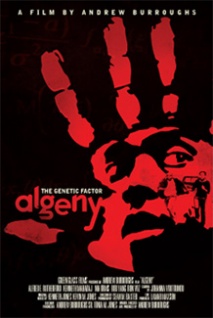
……my nephew, Andrew Burroughs Jr., for having his film be placed on Netflix.
July 6th UPDATE: And here’s a review and an interview with the filmmaker.
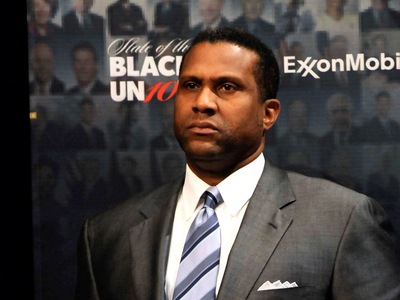
I almost don’t know what to say here. I saw the Negro Cup-of-Soup (it was too downscale to be called a Negro Bowl), and I dunno. Tavis Smiley said we needed a Black agenda, and he wrote one, right? So why did they/we have to meet? Couldn’t they/we have just presented President Obama with a copy of The Covenant and called it a day? I mean, didn’t one of the panelists basically say that Obama was doing some stuff from that list? At least, what he was going to do for all Americans, since that’s his public bag.
(And it’s not like a lot of people didn’t see all this coming. *SIGH*)
It’s funny to me that Smiley, a preacher’s kid from Indiana, is now holding the torch for 21st century Black nationalism. Again, not sure what to do with that. 🙂
On that topic, happy that Smiley is telling the truth about Martin Luther King vs. Obama. And I like that he has the resources (money, PBS platform) to say what needed to be said.
Meanwhile, in post-health-care-victory America, hate media continues to be on the march against the centrist Obama. Who is a proxy—target?—for all people of color. Who will one day (like, tomorrow or the day after) be the racial majority in America. White fright, fright night. So now what? I dunno.
P.S. I don’t think this kind of thing really helps anything but Republicans, since they will use it to create a (false) sense of victim balance.
P.P.S. This sure reads good. I hope it’s true. And my Morgan colleague, Dr. Greg Adamo, called Obama’s student loan law “single-payer for college students.” Again, hope so.

Well, that was quick! LOL! I just wrote here that The Negro Bowl was over, and now it’s back—kinda. More like a remix, I guess! LOL! 🙂
I think I got the story straight: Tavis is mad that civil rights leaders visited the White House and asked for nothing. 🙂 Not only that, but they told the press that they were happy they asked for nothing—they really wanted to help the President help everybody. 🙂 Am I being fair here?
So now he and his crew (Dyson and West, et. al.) are supposed to rumble with Jealous, Morial and Sharpton in Chicago, in a pared-down Negro Bowl next month? (Here Smiley and Sharpton discuss the issue in the audio segment here. Shockingly, Sharpton is not treating Smiley as if the PBS host is The Emperor of Holding National Black Meetings. 🙂 ) Do I have this right?
So will a Black agenda come out of allathis, or is this just a way to promote books and broadcast outlets (as usual)? And if one comes out, who will give it to Obama? And would he take it?
MARCH 3rd UPDATE: Glen hits the mark as usual. MARCH 16th UPDATE: And so did Michel. And although I agree with Tavis, I LOVED the below:


…..the upcoming return of this legendary comicbook! Neal Adams’ best art ever! (Lookit how much an original in good condition can cost!) Can’t wait! 🙂


The list of 1970s celebrities on the cover (along with much of the comicbook) is here.
And anybody remember this homage ESPN magazine cover Neal did back in the day? Of course I loved it and immediately recognized it!

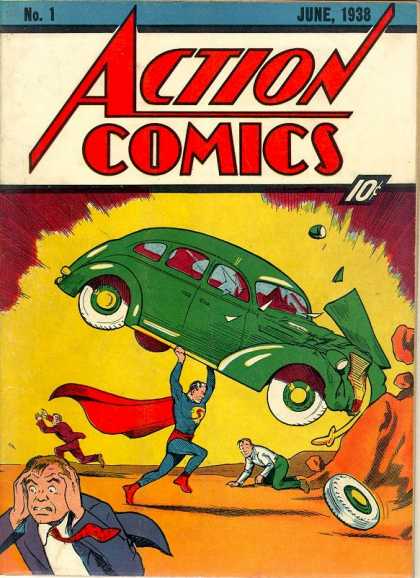
Not surprised at all. 🙂 MARCH 31st UPDATE: Or by this.
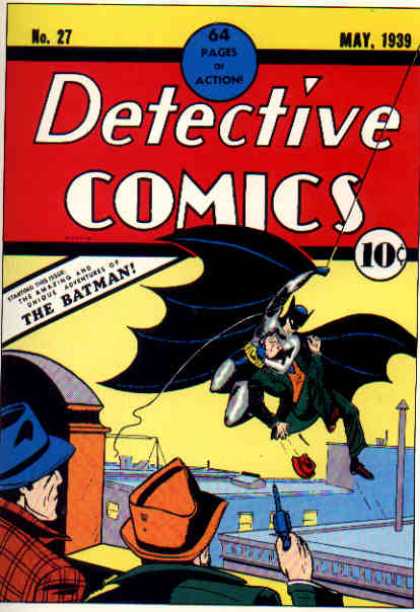
(FEBRUARY 27th UPDATE: And not surprised by this, either.
 )
)
Was much more interested in this. Looks like Geoff Johns is the new Stan Lee.