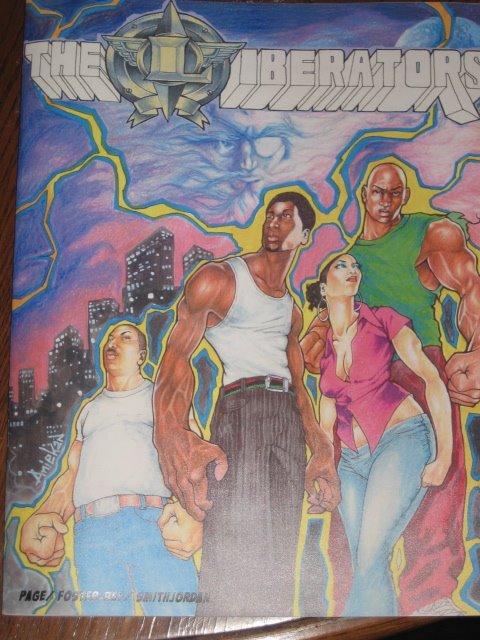
How To Tell If You've Created A Stereotypical 1970s Black Superhero

You know you’re bored when you finally find an article in your apartment that you’ve been (thinking about) searching for FOR YEARS. 🙂 I finally found this blurb in my old copy of the 100th anniversary issue of Wizard magazine, published eight years ago. Something to think about while we’re all enjoying “Hancock.”  🙂

Black Power!

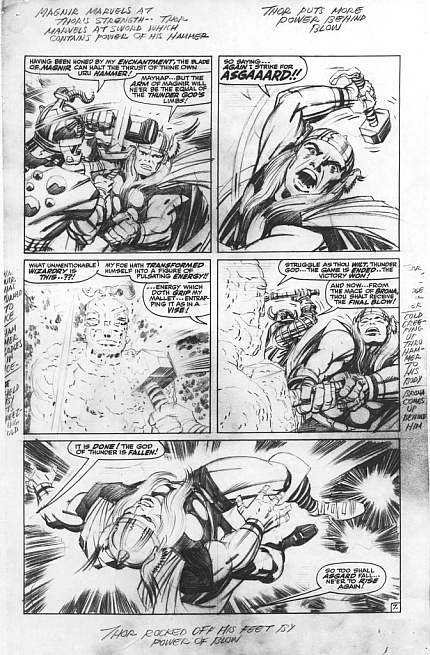
Ten easy steps for making a genuine stereotypical, borderline offensive, 1970s Black superhero.

1. BLACK IS BEAUTIFUL! Make them Black. Seems obvious, but nobody included that on the memo for “Blackhawk,” and look where that went.

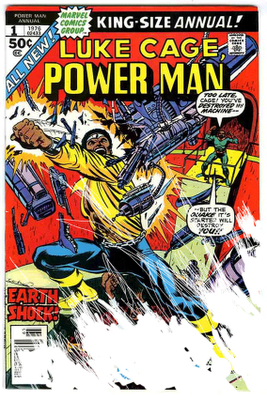
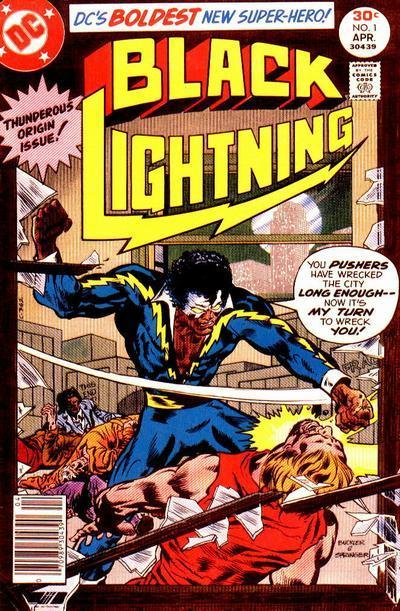
2. ALWAYS BET ON BLACK  The character MUST be called “Black” something, like Black Goliath, Black Lightning, Black Panther, etc., to offset how all the white heroes’ names start with “white,” like…..uh……..

 3. DRESS FOR SUCCESS  When designing the costume, pepper freely with high collars, plunging V-necks and chains. And the Afro’s a must.

4. TALK THE TALK  Aside from a healthy dose of “jive turkey” and “brotha,” give your new crimefighter a believable ethnic catch phrase, like “Sweet Christmas.”

 5. WALK THE WALK  Make ’em good and angry, so they’ll lash out at billboards and fences and stuff when they’re talking to themselves.


Power Man 2

6. UP WITH PEOPLE  Unlike guys like Superman and Aquaman, they’re one of the people. Have the grocer give him an apple when he walks by.

7. STAY GOLDEN  He might act all tough and grouchy, but beneath that hairy, V-necked chest beats a heart of gold. Unless The Man gets in his way, that is.

8. DO THE TIME  Give him a criminal background, just like Superma…uh, no, like Batma…er, no, bad example. Like Iron M–ah, maybe we should move on to #9.

9. SLUM IT UP  These guys are rarely members of the Avengers and JLA. They’re more likely private investigators, ex-thugs for hire, social workers, stuff like that.

10. FUBU  The stories have to have the air of authenticity to them: the situations the characters find themselves in because of who they are, their day-to-day problems and struggles they must hear. You need somebody who can relate to these issues. Get somebody white to write it.

Copyright (c) 2000 by Wizard magazine.
P.S. For more on Black superheroes, you should check out this and this and this.

2010 UPDATE: Enjoyed reading this.

The King's Tome

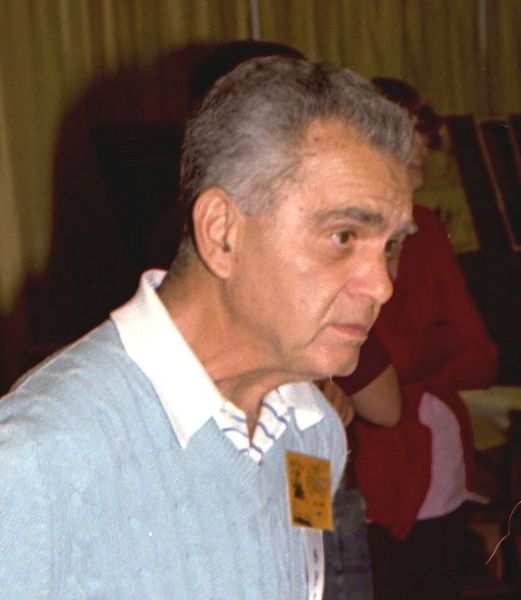
521px-jack_kirby_1982_cropped.jpg

The new biography of Jack Kirby really isn’t that; it’s an authorized, more-polite-than-it-should-be version of his life used as an excuse to showcase his great art. And thank God for it.

Jack Kirby is responsible for two-thirds of every childhood smile I ever made. Period. The Fantastic Four. The Silver Surfer. The Incredible Hulk. The Mighty Thor. The Black Panther. The Uncanny X-Men. ‘Nuff said.

Thanks to Mark Evanier for putting it together. He told the story of a man who created hundreds of universes in order to take care of his most important one: his wife and children. Jack Kirby, the immortal hero whose superpower was unlimited imagination.

kirby.jpg

Spike, Clint And The Rights Of Writers

eastwood-lac2-f.jpgspike.jpg

Okay, look, I don’t have a horse in this race (pun intended 🙂 ), but I’ll just say this:

As a writer and a historian, I think people have the right to tell any story any way they want. And other people have the equal right to publicly criticize that telling, and tell their own stories in defense/offense. And then those stories get criticized. And on and on. And that human beings will have to be smart enough to figure the(ir) truth(s) out for themselves.

So, now that I’ve said that, here’s my opinion of the dust-up:

Spike should kick Eastwood’s old ass for saying he should “shut his face.” Then Spike should shut his face. 🙂

Spike, didn’t Eastwood do a whole World War II film from the point of view of the Japanese? Why should every (white) filmmaker be duty-bound to show Black World War II soldiers in the (white) stories they tell?

If I’m making a historical film, I wouldn’t distort history, but I’d want to focus on the story I’m telling. And if I’m telling a story about Blacks in World War II, I’m not going to worry about showing white people. At all. Unless it’s to show the vicious white racism of the period.

If anything, the lack of Blacks in Hollywood World War II films should emphasize the strict segregation of the U.S. armed forces—and in homefont America!—during that time.  In the future, I hope Black people will produce more “Tuskegee Airmens” that will tell those painful stories as white people laud “The Greatest Generation.”

Did You Hear…………

7-20_africa_bhead.jpg

……. “South Africa At A Crossroads,” Charlayne Hunter-Gault’s NPR series on the current problems of South Africa?

Or that “All Things Considered” story on Cuba’s newspapers?

Or that ATC report a couple of Saturday’s ago on Obama’s impact on a D.C. middle school?

Or that GREAT edition of “On The Media” from a couple of weekends ago?

Wow, clearly NPR is trying to do more with more. 🙂 I wish other mainstream media institutions could be so lucky in 2008.

Belated Condolences To……..

…..the families of Harvey Korman, who I will always think of first as The Great Gazoo, and second as that hysterically funny man on “The Carol Burnett Show”

gazoo.jpg

 and to Tim Russert.

2007-06-24meetthepress.jpg

When Russert first took over “Meet The Press,” I wasn’t very excited. He seemed to turn a serious, sober news program that used to feature panels of journalists (check the title) interviewing Very Important People about Very Important Things into an entertainment program, with him hogging the spotlight. But his show became required viewing during Shrub’s administration, and I quickly became a big fan of his hard questioning and extraordinary research. (If you said it somewhere in the last 25 years, Russert would find it and put it on screen, and make you talk about it.) Before I knew it, I was centering my Sundays around “Meet The Press,” actually telling people that the show was my equivalent of church.

Yes, he was another mainstream white boy insider who respected authority too much. (Why didn’t he beat up on Bush as bad as he did Cheney?) But I learned a lot from his work (like, how to do it RIGHT 🙂 ), and actually went through the five stages of grief when he passed.

And my vote for the successor is David Gregory if the search is kept inside NBC, and Ifill if it expands outside.

JUNE 19th UPDATE: re: death and funeral coverage: Was Russert elected Vice-President of the United States and nobody told me? LOL!  🙂 Wow, talk about REAL power in America……