….air this already! “Black Panther” is already airing internationally! How can Australia see this before Any Ghetto, USA? LOL!
And, for those traditionalists among us…. 🙂
….air this already! “Black Panther” is already airing internationally! How can Australia see this before Any Ghetto, USA? LOL!
And, for those traditionalists among us…. 🙂

Well, that was quick! LOL! I just wrote here that The Negro Bowl was over, and now it’s back—kinda. More like a remix, I guess! LOL! 🙂
I think I got the story straight: Tavis is mad that civil rights leaders visited the White House and asked for nothing. 🙂 Not only that, but they told the press that they were happy they asked for nothing—they really wanted to help the President help everybody. 🙂 Am I being fair here?
So now he and his crew (Dyson and West, et. al.) are supposed to rumble with Jealous, Morial and Sharpton in Chicago, in a pared-down Negro Bowl next month? (Here Smiley and Sharpton discuss the issue in the audio segment here. Shockingly, Sharpton is not treating Smiley as if the PBS host is The Emperor of Holding National Black Meetings. 🙂 ) Do I have this right?
So will a Black agenda come out of allathis, or is this just a way to promote books and broadcast outlets (as usual)? And if one comes out, who will give it to Obama? And would he take it?
MARCH 3rd UPDATE: Glen hits the mark as usual. MARCH 16th UPDATE: And so did Michel. And although I agree with Tavis, I LOVED the below:


…..the upcoming return of this legendary comicbook! Neal Adams’ best art ever! (Lookit how much an original in good condition can cost!) Can’t wait! 🙂


The list of 1970s celebrities on the cover (along with much of the comicbook) is here.
And anybody remember this homage ESPN magazine cover Neal did back in the day? Of course I loved it and immediately recognized it!

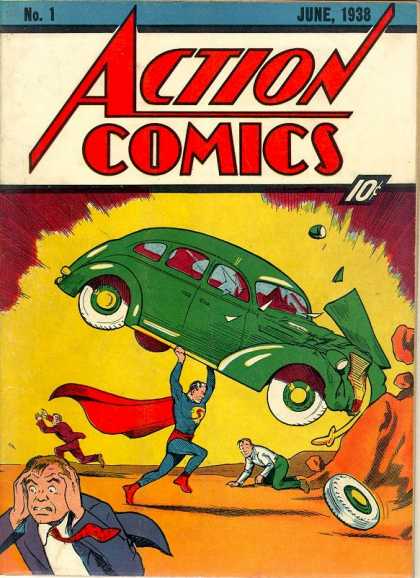
Not surprised at all. 🙂 MARCH 31st UPDATE: Or by this.
(FEBRUARY 27th UPDATE: And not surprised by this, either.
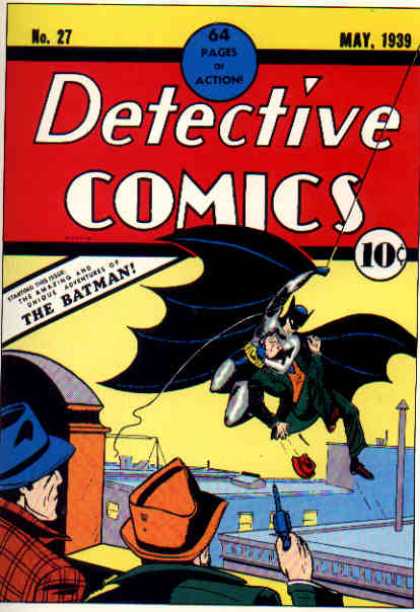 )
)
Was much more interested in this. Looks like Geoff Johns is the new Stan Lee.
MARCH 8th UPDATE: And look at the NEW trailer! WOO-WOO!!!!! 🙂
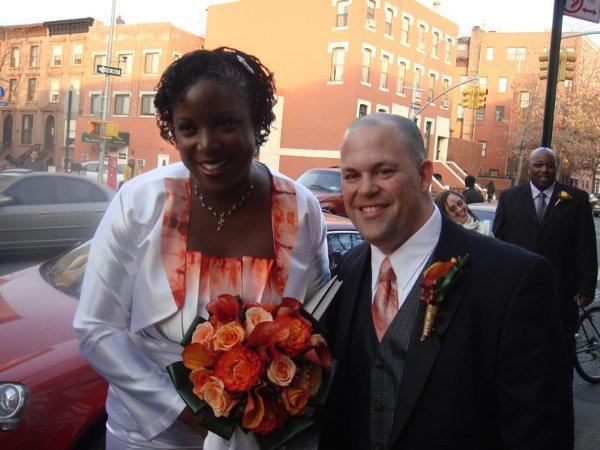
………my friend Liam McGrath and his lovely bride. I am looking forward to him getting permission 🙂 to see “Iron Man 2” with me this May! LOL! 🙂
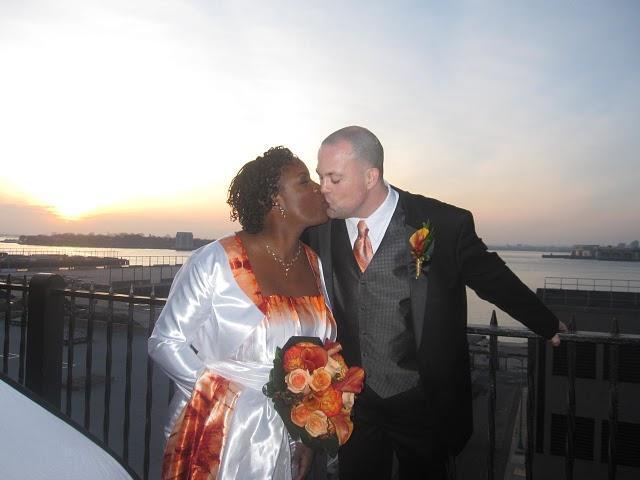
They have been together for a long time, and I’m glad to see the joy on their faces.
Narrative Of The Life Of Frederick Douglass, An American Slave.
Written By Himself.
A New Criticial Edition by Angela Y. Davis.
CityLights Books.
256 pp. $12.95.
What, to the feminist, is the life of Frederick Douglass? It is a life that reveals to him and her the power of a man attempting to achieve freedom and finding that to be free meant to be free in all things—in word, in deed, in spirit. But it also means that definitions of freedom must continue to be redefined, revised, expanded.
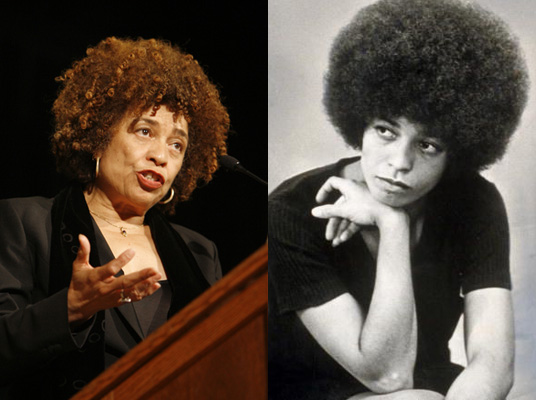
The chains that held Douglass and Angela Davis, two of the strongest freedom fighters that America’s oppression produced, hold together the new edition of this classic work of American autobiography. Using the text of lectures she delivered at UCLA in 1969, after the university fired her for her Communist affiliation but before her world-famous arrest and trial, Davis provides an extended introduction of sorts to the world of Frederick Douglass. In her talks, she uses Douglass to examine the philosophy of freedom.
The escaped slave wrote the book to prove to all that his story was true. He also needed his story to be connected to him, not to his abolitionist friends and allies. To Douglass, writing, was like reading—an amazing power: “I understood the pathway from slavery to freedom.” In a new introduction to her decades-old lectures, Davis, no stranger to the writing of a classic autobiography and to the sexism within Black movements, dissects Douglass’ strengths and pitfalls of how he defined freedom—a definition that, Davis explains, leaves enslaved women behind as symbols of oppression, unable to achieve the “manhood” Douglass equates with his liberation.
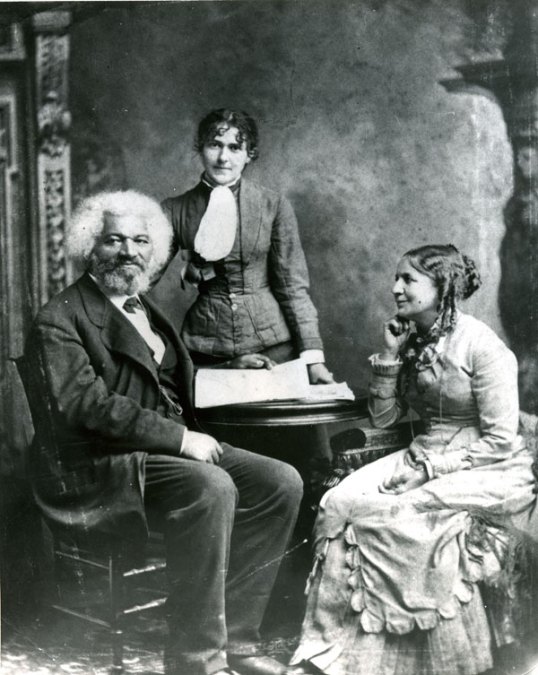
The two pioneering feminists merge together, in theory and in practice, on the nature(s) of liberation. In this book of merged centuries, freedom travels from idea to action (creating resistance) to finally, negotiating a complex reality. Davis, in 2009 : “Many of us thought [in the 1960s and 1970s] that liberation was simply a question of organizing to leverage power from the hands of those we deemed to be the oppressors.” An idea whose time has gone in the Obama era, one in which, supposedly, the ultimate power has been leveraged, but from whom and for what? This new version of an old book is a perfect excuse to analyze (Douglass’ and Davis’) views of freedom as we continue to debate the Black movement’s purpose in the second decade of the new century.

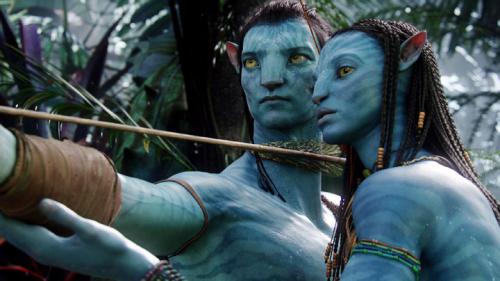
The evolution of the white race. “Learn our ways, and perhaps we can cure your insanity,” said the Queen Mother. 🙂
Under all of the topics I’ve happily listed under “love to hate,” I must admit that Tavis Smiley’s “State of the Black Union” was at the very top. I am more upset than I thought I’d be with Smiley’s announcement a couple of days back that he is not continuing these annual forums. I think Smiley’s reasoning is a bit, um, punkish. Lemee get this straight: because we now have a few more radio talk show hosts and scores of Black blogs, and because Roland Martin has a Sunday chat show on TV One, we don’t need this annual national meeting of Black thinkers? How much of this has to do with trying to prevent any more nationally broadcast Black criticism of Barack Obama, since it did damage to the Tavis brand in the past?
I wonder what will rise up to replace it. Something must. We just can’t have 1,000 blogs and websites. We’ve had a lot of national (public) meetings over the years, but nothing stuck like this (corporate and conservative) one. Of course, if we had a movement, we would be meeting all the time. And doing things. Now Obama’s presidency is a marker to have no movement, and too many people are okay with that. It might just be up to small groups to hold (upside down) the flag.
JANUARY 15th UPDATE: A much better version of what I was trying to say here is here.
 Drums in the Global Village